
Sunday, November 04, 2007

Friday, November 02, 2007
Factory Girl
I have been reading about contemporary art, and my brain seems to have been pondering so much over what I have been reading that I even dreamt about art, but it is also my reading that pointed me to this movie Factory Girl.
I had wanted to spend an evening at the museum, but finding nothing worth my time, I turned over to the movies and this seemed to be the only thing I would watch. Just before I entered the cinema, I was somewhat worried that this might have been a hollywood-styled rip-off that wants to talk about the glamorous girl and all, and make it float on Andy Warhol's fame, but was somewhat comforted that it was a pretty small screen, with an even smaller audience.
My worry did not end there - the film started with the grainy desaturated film that many art-house-wannabe films overuse, but it soon became apparent why it was done that way - the film talked a fair bit about Andy's films. And from the beginning on the screen was Edie's beautiful face, charming the audience into the movie.
I found the film very experiential. It showed what glamour was, what popularity was, what fame was, and how flimsy the whole thing was, yet it made me believe that it was worth it all - and I think that is pretty analogous to pop culture.
Andy invited Edie to star in his film, and just before the shooting scene, Andy said on the screen that he didn't usually tell his actors what to do - something puzzling until the next screen rolled in. Five men were supposed to approach a horse sexually, and the horse was angered. Edie just walked into the film, kissed the horse and calmed it. Not telling his actors what to do was pretty much choosing the correct group of people and allowing them to be themselves and respond to one another's dynamisms - putting that on film would allow the audience to experience, as close to firsthand as possible, that same excitement of good dynamics. This says two things - that the superstar is one who, on film, lives on your behalf; and that Andy was really using the lives of people as his canvas. At about that point in the movie, Andy declared that he would stop painting and make movies instead. In this light, this all made much sense.
Reading about Andy and his voyeuristic inclinations makes me think back and realise that the movie did a pretty good job to portray even this - he was always behind the camera, just watching. He had shades on just about all the time, and this seemed to help accentuate the fact that he was there, watching. And whenever Edie felt uncomfortable about something the other participants wanted to do to her, she looked at Andy, making one feel Andy's role in relation to the film - he was always outside, but watching.
Towards the end of the film, there was this particular scene in Edie's room, when she was all broke and just doing all she could to get drugs - soft lens and warm lighting really made the point. She was just giving herself to drugs, her judgement was heavily affected by the drugs, and just allowing anyone to do anything they wanted. The soft lens gave a dreamy and helpless feel to the whole scene, allowing the audience to understand what she was feeling. I thought this was really good cinematography.
I think this film's greatest power lay in how it experientially explained the power of pop culture. There was one scene, just before Edie was "disposed of", where Edie was saying how she had to live in Andy's world - this was when you have sat half way into the film and grown to love the rhythm of pop culture - and this handsome cowboy (Edie's romance interest) came in to tell Edie in her face that all this that she was living for, was not real. I could not help but empathise with Edie, and believe too that this glamorous life was really THE life, but when Mr Cowboy musician came in and told her that she was being made used of by Andy Warhol, it felt so like life, when we are told something that we know is true, and that we will choose to live to regret not listening to that piece of advice.
Just before the final turn of the film, Edie's old friend and admirer appeared and showed her a photograph of her, just before she flew to New York into her high life - and what followed, to me, was really skillful judgement - Edie lept out of the car, and ran. Instead of having her cry and talk about how she regretted everything, she simply, ran. This makes the audience feel her desire for change. And it also allows the movie, to spend more time covering what it should - the life she had been through that led her here.
Perhaps it was my reading on contemporary art that set me in the right mood for this show, but I really think this is worth watching. All the people who need to look good are good looking, those who need the correct cup sizes have the correct cup sizes, and all you need to do is just to sit there, outside, but watching.
I have been reading about contemporary art, and my brain seems to have been pondering so much over what I have been reading that I even dreamt about art, but it is also my reading that pointed me to this movie Factory Girl.
I had wanted to spend an evening at the museum, but finding nothing worth my time, I turned over to the movies and this seemed to be the only thing I would watch. Just before I entered the cinema, I was somewhat worried that this might have been a hollywood-styled rip-off that wants to talk about the glamorous girl and all, and make it float on Andy Warhol's fame, but was somewhat comforted that it was a pretty small screen, with an even smaller audience.
My worry did not end there - the film started with the grainy desaturated film that many art-house-wannabe films overuse, but it soon became apparent why it was done that way - the film talked a fair bit about Andy's films. And from the beginning on the screen was Edie's beautiful face, charming the audience into the movie.
I found the film very experiential. It showed what glamour was, what popularity was, what fame was, and how flimsy the whole thing was, yet it made me believe that it was worth it all - and I think that is pretty analogous to pop culture.
Andy invited Edie to star in his film, and just before the shooting scene, Andy said on the screen that he didn't usually tell his actors what to do - something puzzling until the next screen rolled in. Five men were supposed to approach a horse sexually, and the horse was angered. Edie just walked into the film, kissed the horse and calmed it. Not telling his actors what to do was pretty much choosing the correct group of people and allowing them to be themselves and respond to one another's dynamisms - putting that on film would allow the audience to experience, as close to firsthand as possible, that same excitement of good dynamics. This says two things - that the superstar is one who, on film, lives on your behalf; and that Andy was really using the lives of people as his canvas. At about that point in the movie, Andy declared that he would stop painting and make movies instead. In this light, this all made much sense.
Reading about Andy and his voyeuristic inclinations makes me think back and realise that the movie did a pretty good job to portray even this - he was always behind the camera, just watching. He had shades on just about all the time, and this seemed to help accentuate the fact that he was there, watching. And whenever Edie felt uncomfortable about something the other participants wanted to do to her, she looked at Andy, making one feel Andy's role in relation to the film - he was always outside, but watching.
Towards the end of the film, there was this particular scene in Edie's room, when she was all broke and just doing all she could to get drugs - soft lens and warm lighting really made the point. She was just giving herself to drugs, her judgement was heavily affected by the drugs, and just allowing anyone to do anything they wanted. The soft lens gave a dreamy and helpless feel to the whole scene, allowing the audience to understand what she was feeling. I thought this was really good cinematography.
I think this film's greatest power lay in how it experientially explained the power of pop culture. There was one scene, just before Edie was "disposed of", where Edie was saying how she had to live in Andy's world - this was when you have sat half way into the film and grown to love the rhythm of pop culture - and this handsome cowboy (Edie's romance interest) came in to tell Edie in her face that all this that she was living for, was not real. I could not help but empathise with Edie, and believe too that this glamorous life was really THE life, but when Mr Cowboy musician came in and told her that she was being made used of by Andy Warhol, it felt so like life, when we are told something that we know is true, and that we will choose to live to regret not listening to that piece of advice.
Just before the final turn of the film, Edie's old friend and admirer appeared and showed her a photograph of her, just before she flew to New York into her high life - and what followed, to me, was really skillful judgement - Edie lept out of the car, and ran. Instead of having her cry and talk about how she regretted everything, she simply, ran. This makes the audience feel her desire for change. And it also allows the movie, to spend more time covering what it should - the life she had been through that led her here.
Perhaps it was my reading on contemporary art that set me in the right mood for this show, but I really think this is worth watching. All the people who need to look good are good looking, those who need the correct cup sizes have the correct cup sizes, and all you need to do is just to sit there, outside, but watching.
Tuesday, October 30, 2007

Sunday, October 14, 2007
Do you pay for your music?
this questions seems to make people get defensive and start to find ways to avoid having to explain why they do not pay for music. yes, i also believe that cds are sold too expensive, but single songs aren't. concluding that the money goes to the industry instead of the artist is like saying that the money for a building design project goes to the firm and not the architect. the very reason someone decides to work for a company, is proof that he needs the company, that there is something he is unable to provide or receive if he went independent.
parallel to this question, is its counterpart,
Do you pay for your software?
some people see this as the same question, but it is essentially different, just as one's decision to buy a refrigerator and to buy a PDA is totally different. not just because these are essentially different products, but the music industry and the software industry work differently.
software has GPL, which has worked thus far, but in a commercial society, people who believe that software should be free are able to make parallels of commercial software and be sure that they will meet real-world needs, but music unfortunately works differently. music, unlike software, is a designer product and not a commodity. no matter how much one believes in free music, making parallels of commercial music will end him up as a copycat. this is because people see the style in music, people believe that a certain music, belongs to a certain person. programming actually works the same - the quality and style of code, can actually be attributed to specific programmers, just as books to writers, but this is not something the common-man can understand.
coming back to music, let's put the question differently.
Do you think the artist would want you to pay for his CD?
yes, most of the money goes no the industry. but cd sales gives the artist power in the industry. it gives him bargaining power so he can get more money to pay for his next jaguar and his girlfriends' Louis Vuittons. just like the company gets most of the money you make for the company, but you still want the company to make as much as it is able to. and whether or not your company is paying you enough, is a different issue altogether.
this questions seems to make people get defensive and start to find ways to avoid having to explain why they do not pay for music. yes, i also believe that cds are sold too expensive, but single songs aren't. concluding that the money goes to the industry instead of the artist is like saying that the money for a building design project goes to the firm and not the architect. the very reason someone decides to work for a company, is proof that he needs the company, that there is something he is unable to provide or receive if he went independent.
parallel to this question, is its counterpart,
Do you pay for your software?
some people see this as the same question, but it is essentially different, just as one's decision to buy a refrigerator and to buy a PDA is totally different. not just because these are essentially different products, but the music industry and the software industry work differently.
software has GPL, which has worked thus far, but in a commercial society, people who believe that software should be free are able to make parallels of commercial software and be sure that they will meet real-world needs, but music unfortunately works differently. music, unlike software, is a designer product and not a commodity. no matter how much one believes in free music, making parallels of commercial music will end him up as a copycat. this is because people see the style in music, people believe that a certain music, belongs to a certain person. programming actually works the same - the quality and style of code, can actually be attributed to specific programmers, just as books to writers, but this is not something the common-man can understand.
coming back to music, let's put the question differently.
Do you think the artist would want you to pay for his CD?
yes, most of the money goes no the industry. but cd sales gives the artist power in the industry. it gives him bargaining power so he can get more money to pay for his next jaguar and his girlfriends' Louis Vuittons. just like the company gets most of the money you make for the company, but you still want the company to make as much as it is able to. and whether or not your company is paying you enough, is a different issue altogether.
Sunday, August 19, 2007
IRC
watching lines of text
repeating and scrolling across the screen
it's like i'm watching a world
as small as my world now trapped in the room
pass me by
most of the time
it all feels like
the world is an LCD
with everything happening between two glass plates, not in my world;
i would like to think that my world has much more, and it must be somewhere else,
but outside the LCD,
is just me, sitting in front of the damned notebook,
my greatest comfort being my music tracks
programmed not to betray me.
watching lines of text
repeating and scrolling across the screen
it's like i'm watching a world
as small as my world now trapped in the room
pass me by
most of the time
it all feels like
the world is an LCD
with everything happening between two glass plates, not in my world;
i would like to think that my world has much more, and it must be somewhere else,
but outside the LCD,
is just me, sitting in front of the damned notebook,
my greatest comfort being my music tracks
programmed not to betray me.
Friday, August 10, 2007
もし生まれつきのすべては、ゲームのように生まれるまえに選択できる設定だったら、自分はいったいなんで今持っているすべての長所、弱点、頭よさ、顔、人種、両親、体の癖、体質、生まれた国などを、選択してセットにしたのか、思い出せますか?
If everything you have in life were like the settings u gave to your character before you started a game, would you still be able to remember why you had chosen your strengths, weaknesses, how intelligent you are, how you look, your race, your parents, your body and everything that you were born with?
僕は少し思い出せたと思う。だけど、設定時想像したのは、決して今の現実ではない。
Maybe I do somewhat remember. But what I must have had in mind back then, cannot be the reality that I am living in today.
世界はインターネットやテレビ放送など通信の発展により根本的に変わり、社会の価値の核心となる世界観もそれにつれて変化する。
The world has changed so much since... and its values has been radically altered by progress in communications technologies.
こんな世界に、今の設定だと、悔しいけど、もう設定済みだから、もうどうしようもない。
だけど、時々、考える。自分の顔のポイントをもっともっとアップしといたら、と。
It makes it painful to think about how i am left to live with settings that no longer match this reality. It makes me wish i could have gone back and edited my settings and gave myself more points for looks.
でもさ、人間は満足できないものだ。人を見たら、すぐそいつの何かがほしくなる。
but then again, humans are simply insatiable.
だけど、何でもあるほど完璧に見える頭がよくて、金持ちで、体質もよくて、格好いい人を見たら、知りたくなるではないか・・・そいつが選択した設定を。
still, when one sees someone incredibly perfect - having the brains, the body, the money, everything, one cannot help but wonder, what he had selected for his character before it all started.
If everything you have in life were like the settings u gave to your character before you started a game, would you still be able to remember why you had chosen your strengths, weaknesses, how intelligent you are, how you look, your race, your parents, your body and everything that you were born with?
僕は少し思い出せたと思う。だけど、設定時想像したのは、決して今の現実ではない。
Maybe I do somewhat remember. But what I must have had in mind back then, cannot be the reality that I am living in today.
世界はインターネットやテレビ放送など通信の発展により根本的に変わり、社会の価値の核心となる世界観もそれにつれて変化する。
The world has changed so much since... and its values has been radically altered by progress in communications technologies.
こんな世界に、今の設定だと、悔しいけど、もう設定済みだから、もうどうしようもない。
だけど、時々、考える。自分の顔のポイントをもっともっとアップしといたら、と。
It makes it painful to think about how i am left to live with settings that no longer match this reality. It makes me wish i could have gone back and edited my settings and gave myself more points for looks.
でもさ、人間は満足できないものだ。人を見たら、すぐそいつの何かがほしくなる。
but then again, humans are simply insatiable.
だけど、何でもあるほど完璧に見える頭がよくて、金持ちで、体質もよくて、格好いい人を見たら、知りたくなるではないか・・・そいつが選択した設定を。
still, when one sees someone incredibly perfect - having the brains, the body, the money, everything, one cannot help but wonder, what he had selected for his character before it all started.
Friday, August 03, 2007
Sunday, July 29, 2007
Like stray cats
Wanting to be wanted,
Their eyes would look up at you, longingly, if it had not been
For their pride.
Lined down the streets you see them everyday in transit,
Their minds too, somewhere else.
If you gave fish to the cats
They would at least come by and nibble,
And rub their warm bodies against the trunk of your leg, but these
Would pass you by, shuffling along the invisible walls
That separate their worlds from yours.
Why should I be so surprised?
After all, this is the age wireless networks in the air
Can pull continents together, as much as its firewalls
Can put a sea between two rooms.
But I ask myself, what it is, about the city in this age,
That I love so much?
Or is it that, for the lack of imagination,
This has become, to me,
An easier loneliness to bear?
Wanting to be wanted,
Their eyes would look up at you, longingly, if it had not been
For their pride.
Lined down the streets you see them everyday in transit,
Their minds too, somewhere else.
If you gave fish to the cats
They would at least come by and nibble,
And rub their warm bodies against the trunk of your leg, but these
Would pass you by, shuffling along the invisible walls
That separate their worlds from yours.
Why should I be so surprised?
After all, this is the age wireless networks in the air
Can pull continents together, as much as its firewalls
Can put a sea between two rooms.
But I ask myself, what it is, about the city in this age,
That I love so much?
Or is it that, for the lack of imagination,
This has become, to me,
An easier loneliness to bear?
Wednesday, July 25, 2007
僕は正義の味方だ。でも勘違いするな、僕は決して君の味方ではありません。
いじめられたら助けてあげたいけど、それはいじめる方が悪かったからだけだ。
もし君がいじめる役を選んだら、僕は必ず君の敵になる。
悪く思うな。僕はただ冷静に考え、正しい方の力になるだけだ。
この世界の人間は正と不正に分けられているわけではない、それはわかってる。
仲間だって、正の一面があれば、不正な一面もある。
なんにしろ、正と不正の定義自体も、あいまいになりつつある。
でも僕は、僕こそが正義だ、とあえて考えたくはない。
とすると、誰が正と不正を定義するだろうか。
それはわからない。わかるのは、孤独感だけだ。
無条件で仲間を選ぶことができない僕には、仲間という意味がよくわからないからだ。
そう、僕自分もしょっちゅう不正な一面を見せてしまう。
その時の僕は、だれの味方でもありません。
そんな時は、ほうっといてほしい。
時間がたったら治るから。
もう一度正義の味方の顔つきになったらまた声をかけてください。
しかし、今の僕は、正義の味方の顔つきどころか、時間の味方の顔つきをしているだろう。
顔に刻んだ時間の流れ。
心に染まった永遠まで伸びるこの一瞬の色。
終わりがるような終わりがないような、
始まりがあるような、始まりがないような透明な客観的さ。
それは雨の点滴と同じ色をしている。
苦しみの涙と喜びの涙も、そして悲しみの涙も、
同じ色をするだろう。
いじめられたら助けてあげたいけど、それはいじめる方が悪かったからだけだ。
もし君がいじめる役を選んだら、僕は必ず君の敵になる。
悪く思うな。僕はただ冷静に考え、正しい方の力になるだけだ。
この世界の人間は正と不正に分けられているわけではない、それはわかってる。
仲間だって、正の一面があれば、不正な一面もある。
なんにしろ、正と不正の定義自体も、あいまいになりつつある。
でも僕は、僕こそが正義だ、とあえて考えたくはない。
とすると、誰が正と不正を定義するだろうか。
それはわからない。わかるのは、孤独感だけだ。
無条件で仲間を選ぶことができない僕には、仲間という意味がよくわからないからだ。
そう、僕自分もしょっちゅう不正な一面を見せてしまう。
その時の僕は、だれの味方でもありません。
そんな時は、ほうっといてほしい。
時間がたったら治るから。
もう一度正義の味方の顔つきになったらまた声をかけてください。
しかし、今の僕は、正義の味方の顔つきどころか、時間の味方の顔つきをしているだろう。
顔に刻んだ時間の流れ。
心に染まった永遠まで伸びるこの一瞬の色。
終わりがるような終わりがないような、
始まりがあるような、始まりがないような透明な客観的さ。
それは雨の点滴と同じ色をしている。
苦しみの涙と喜びの涙も、そして悲しみの涙も、
同じ色をするだろう。
Monday, July 16, 2007
average joe
yo yo horny joe
bend your waist n touch your toes
yo yo fucker jane
get ur strapon get in game
here we sing our happy song
morning loud and evening strong
hey hey i wanna play
here comes jimmy jack and james
no no i want my turn
on the butt'n let me paint
oh oh we're running high into my blue V paradise
say say who lost her way? let me come over don't be shy
put ya hand onto my steering
work it good into my gearing
here here we're getting started
hop on 'n ride; i love those thighs!
yes yes we're coming fast
onto the highway make it last!
forget the siren skip the toll,
relax and do as you are told
check ya belts we'll play it safe -
duncha wanna ride again?
come baby on ya face
i see that eager smile at me
i know u wannit say u wannit
here we go!
yo yo average joe
bend your knees and fold your legs
didya hear what i just said?
whats with that smirk what's in ya head?
oh.
yo yo horny joe
bend your waist n touch your toes
yo yo fucker jane
get ur strapon get in game
here we sing our happy song
morning loud and evening strong
hey hey i wanna play
here comes jimmy jack and james
no no i want my turn
on the butt'n let me paint
oh oh we're running high into my blue V paradise
say say who lost her way? let me come over don't be shy
put ya hand onto my steering
work it good into my gearing
here here we're getting started
hop on 'n ride; i love those thighs!
yes yes we're coming fast
onto the highway make it last!
forget the siren skip the toll,
relax and do as you are told
check ya belts we'll play it safe -
duncha wanna ride again?
come baby on ya face
i see that eager smile at me
i know u wannit say u wannit
here we go!
yo yo average joe
bend your knees and fold your legs
didya hear what i just said?
whats with that smirk what's in ya head?
oh.
Sunday, July 15, 2007
i would imagine that once upon a time, when the family put their hands to the fields, that life would have been centred around the field - seeding time, rainy season, harvest, and festivals and social life would be built around all this. a time when social life was indistinguishable from work, and work was inseparable from religion, and religion was part of life, and everyone was part of everything.
i don't know if life would have been auto-pilot back then, but this i am sure - after so many years of urbanisation, many of us have not yet come to terms with work. we have pigeonholed everything and isolated the different parts of our lives, such that work and "life" are as separate as the Math period is from PE lesson in school. the bell rings, and we switch modes.
has it become so hard to integrate work into our lives, and be completely satisfied with it, feeling the same satisfaction a farmer gets when he sees his fields golden?
i don't know. but i think, maybe what i want most at this point of my life, is somehow to have a job that i can call my life.
i don't know if life would have been auto-pilot back then, but this i am sure - after so many years of urbanisation, many of us have not yet come to terms with work. we have pigeonholed everything and isolated the different parts of our lives, such that work and "life" are as separate as the Math period is from PE lesson in school. the bell rings, and we switch modes.
has it become so hard to integrate work into our lives, and be completely satisfied with it, feeling the same satisfaction a farmer gets when he sees his fields golden?
i don't know. but i think, maybe what i want most at this point of my life, is somehow to have a job that i can call my life.
Saturday, July 07, 2007
test everything. trust only as much as you are willing to lose. hold dear the things that matter, but also be ready to lose everything, including yourself, because somewhere down the road, we all lose ourselves sometimes. when you can no longer see the things that used to define the person you are, reinvent. "redo from start" is an error message, but also good advice. it is sad, when people decide to kill themselves when they can no longer face the world without the things around them that used to remind them who they are. if there's a "true" you inside, then you cannot find yourself better than when you have lost everything that you can lose, and are left with that which you cannot. move on. life and time are a couple, and time does not look back. if something wasted your life, spending any more time on it would further be a waste of your life. let go. let go of the past, then you will be able to take hold of the future as it becomes the present. life is always in the present moment. lose it and lose everything. but remember, don't panic. DON'T PANIC. panic is your worst enemy that is always seeking to eat up every present moment you were born to enjoy. enjoying life is not a right. nobody will give it to you, and you can't fight for it. don't complain to the waiter that you didn't enjoy your soup. you just have to learn to do it. and to do it well, in any situation. and when you have mastered that, life would seem easy. some might see you as a loser, some a winner, but why bother, when you have enjoyed every bit of it?
Monday, June 25, 2007
色即空:空即色。
the abstraction gives birth to the instance, and the instance is exactly like the abstraction. you cannot see the instance, but you can know it is alive. you can see the form of the abstraction, but it is not alive. so which has more form, the instance or the abstraction?
just like the runtime is the program, the source code is the program, the binary is the program, but the source code is not the binary, and the binary is not the runtime.
that's why computing to me is both philosophy and engineering.
the abstraction gives birth to the instance, and the instance is exactly like the abstraction. you cannot see the instance, but you can know it is alive. you can see the form of the abstraction, but it is not alive. so which has more form, the instance or the abstraction?
just like the runtime is the program, the source code is the program, the binary is the program, but the source code is not the binary, and the binary is not the runtime.
that's why computing to me is both philosophy and engineering.
Sunday, June 24, 2007
Sunday, June 17, 2007

Saturday, June 09, 2007
Abstraction n., 3. the process of formulating general concepts by abstracting common properties of instances (WordNet)
Abstraction must be the greatest achievement and sin into which the whole history of civilization has cumulated into. One professor once told me that it is the essence of computing. It must also be the motivation of mathematics. It tries to give one answer to all questions. If art were a lie that told the truth, abstraction, would be the truth that told lies.
I was listening to the BBC, they were airing a program on colour. And it made me realize that the whole spectrum of colours that we take for granted, choosing the colour of anything we like, once upon a time, were not given equal treatment, simply because, it was technically harder to make some dyes. Blue was once a big deal, cos it had few sources - indigo and lapis. Now it has become just another colour on the palette. We have drawn all the colours so close and given them equal treatment that we forget the truth behind them. We give ourselves the power to choose equally, but forgot the passion behind these choices.
Maybe you would understand better if I speak of the Internet. The Internet has abstracted the physical world, making distance inconsequential, reshaping the whole world into a different logical structure, one governed by numbers rather than by physical location. .com sites often redirect us servers in our own locality but we wouldn't care less (those manning the servers would, because less physical distance actually means less internet traffic and therefore higher overall performance for all their servers). But when main gateways (servers) in and out of the country gets hit by disaster, we start feeling the reality that sits under the 6 networking layers (network technology has a well-known OSI 7-layer abstraction that attempts to provide a platform where software can talk to one another without having to bother about physical location) that are so effective in making the world appear nearer.
So what is the problem, really? Abstraction is like specialization. It attempts to provide a common platform on which all issues within a known domain can be addressed easily. Which also means that, when it has become easy to deal with issues within a known domain, consistent exposure to a high volume of issues, alienate you from these issues, the way a worker in a diamond factory sometimes starts to forget what exactly is so great about these stones or <<insert your own analogy here>>.
Ok, put it in another way. If you have abstracted (ie, formularised) a method that can bring any group out there onto a top selling band on the music charts, it wouldn't matter anymore who the band were. Passion wouldn't matter anymore. It is simply machinery.
Yes, machinery is what we want, to get the nitty gritty details of life out of the way, so we can spend our lives doing better things. That's why Abstraction, to me is such a great achievement. It allows us not to have to think about how to extract oil to cook, walk through jungles and rough terrain when we travel, make clothes, but just be able to have the choices in front of us: what we want to have, where we want to go. But hey brother, you forgot all this nitty gritty detail shit, is life. In another words, abstraction alienates us from life itself. As much as we have decided that all these troublesome parts of life is a chore and thereafter figured out how to get over and done with it, we have also gotten rid of all these small bits of life from which we would have had the greatest chance to learn what it takes, to be happy. I think that's what fishing and evening walks are all about. Although I've never been fishing.
The "simple life" you see in movies is never so far away if you start realizing the lowest common denominator of life, and start enjoying every bit of it, like crushed nuts in a bar of chocolate. I used to hate nuts in my chocolates. But now I like them everywhere.
Well, next time you need to run an errand to wherever it is, for whatever reason, for whoever... be happy.
Abstraction must be the greatest achievement and sin into which the whole history of civilization has cumulated into. One professor once told me that it is the essence of computing. It must also be the motivation of mathematics. It tries to give one answer to all questions. If art were a lie that told the truth, abstraction, would be the truth that told lies.
I was listening to the BBC, they were airing a program on colour. And it made me realize that the whole spectrum of colours that we take for granted, choosing the colour of anything we like, once upon a time, were not given equal treatment, simply because, it was technically harder to make some dyes. Blue was once a big deal, cos it had few sources - indigo and lapis. Now it has become just another colour on the palette. We have drawn all the colours so close and given them equal treatment that we forget the truth behind them. We give ourselves the power to choose equally, but forgot the passion behind these choices.
Maybe you would understand better if I speak of the Internet. The Internet has abstracted the physical world, making distance inconsequential, reshaping the whole world into a different logical structure, one governed by numbers rather than by physical location. .com sites often redirect us servers in our own locality but we wouldn't care less (those manning the servers would, because less physical distance actually means less internet traffic and therefore higher overall performance for all their servers). But when main gateways (servers) in and out of the country gets hit by disaster, we start feeling the reality that sits under the 6 networking layers (network technology has a well-known OSI 7-layer abstraction that attempts to provide a platform where software can talk to one another without having to bother about physical location) that are so effective in making the world appear nearer.
So what is the problem, really? Abstraction is like specialization. It attempts to provide a common platform on which all issues within a known domain can be addressed easily. Which also means that, when it has become easy to deal with issues within a known domain, consistent exposure to a high volume of issues, alienate you from these issues, the way a worker in a diamond factory sometimes starts to forget what exactly is so great about these stones or <<insert your own analogy here>>.
Ok, put it in another way. If you have abstracted (ie, formularised) a method that can bring any group out there onto a top selling band on the music charts, it wouldn't matter anymore who the band were. Passion wouldn't matter anymore. It is simply machinery.
Yes, machinery is what we want, to get the nitty gritty details of life out of the way, so we can spend our lives doing better things. That's why Abstraction, to me is such a great achievement. It allows us not to have to think about how to extract oil to cook, walk through jungles and rough terrain when we travel, make clothes, but just be able to have the choices in front of us: what we want to have, where we want to go. But hey brother, you forgot all this nitty gritty detail shit, is life. In another words, abstraction alienates us from life itself. As much as we have decided that all these troublesome parts of life is a chore and thereafter figured out how to get over and done with it, we have also gotten rid of all these small bits of life from which we would have had the greatest chance to learn what it takes, to be happy. I think that's what fishing and evening walks are all about. Although I've never been fishing.
The "simple life" you see in movies is never so far away if you start realizing the lowest common denominator of life, and start enjoying every bit of it, like crushed nuts in a bar of chocolate. I used to hate nuts in my chocolates. But now I like them everywhere.
Well, next time you need to run an errand to wherever it is, for whatever reason, for whoever... be happy.
Friday, May 18, 2007

Sunday, May 13, 2007
In their passing,
They are always great;
As if we now understand
What mountains had burdened our dear ones that have made them
Socially incompatible with us.
We honour the moment
The news is spoken
Our lips and ears
Respecting that space of silence that follows
Allowing it to somehow summarise within us
The length of years of their rising and falling
Into a single moment of forgiveness.
We know that tomorrow,
We will be giving speeches about how great he had been
In our lives,
Now that he's gone,
And then in a few hours,
Return him to the air and the sea.
They are always great;
As if we now understand
What mountains had burdened our dear ones that have made them
Socially incompatible with us.
We honour the moment
The news is spoken
Our lips and ears
Respecting that space of silence that follows
Allowing it to somehow summarise within us
The length of years of their rising and falling
Into a single moment of forgiveness.
We know that tomorrow,
We will be giving speeches about how great he had been
In our lives,
Now that he's gone,
And then in a few hours,
Return him to the air and the sea.
Sunday, April 15, 2007
Went swimming and realised that most of the better swimmers are locals. Is it:
(1) Foreigners think swimming as a past-time instead of a sport so more foreigners who don't really swim visit the pool than locals who think swimming is a sport?
(2) Locals really made full use of the swimming facilities and thus more locals can swim than foreigners?
(3) Locals who don't really swim have better things to do than soaking in water?
(4) There are just more locals than foreigners who go to the pool anyway?
(1) Foreigners think swimming as a past-time instead of a sport so more foreigners who don't really swim visit the pool than locals who think swimming is a sport?
(2) Locals really made full use of the swimming facilities and thus more locals can swim than foreigners?
(3) Locals who don't really swim have better things to do than soaking in water?
(4) There are just more locals than foreigners who go to the pool anyway?
Monday, April 09, 2007
eddie is not a collection of habits;
more like a philosophy.
but eddie is not a philosophy;
more like a framework of thought that can hold philosophy.
but eddie is then again not just one framework;
but more like a collection of frameworks holding together thoughts that almost disagree and thoughts that disagree.
but eddie is not really, a framework;
but also all the varied bits of thoughts scattered all over that give form to this framework.
but eddie cannot be just a collection of thoughts;
but the invisible laws that make sense of all their apparant randomness.
but eddie is not just a set of laws;
but a set of laws so much part of being that it's almost habit.
But eddie is not a collection of habits. oops.
Let's try this again.
more like a philosophy.
but eddie is not a philosophy;
more like a framework of thought that can hold philosophy.
but eddie is then again not just one framework;
but more like a collection of frameworks holding together thoughts that almost disagree and thoughts that disagree.
but eddie is not really, a framework;
but also all the varied bits of thoughts scattered all over that give form to this framework.
but eddie cannot be just a collection of thoughts;
but the invisible laws that make sense of all their apparant randomness.
but eddie is not just a set of laws;
but a set of laws so much part of being that it's almost habit.
But eddie is not a collection of habits. oops.
Let's try this again.
Wednesday, April 04, 2007
Monday, April 02, 2007

Wednesday, March 28, 2007
Tuesday, March 06, 2007
Suddenly, at twenty eight,
I have seven days to turning twenty-nine
And I have been in Asia and going to all the same places
I have seen so little of the world.
Suddenly at twenty eight,
My parents seem to have decided to age
Mum looks much older, so suddenly,
Was it because I made her worry too much last year?
Suddenly at twenty-eight,
I realise I don't make enough for retirement
And have no idea how people manage to save so much
They can stop working at sixty.
Suddenly at twenty-eight,
I wonder when I can step out of this country
Into that country I had been wanting to live in _
from the time I was a child
And I wonder if everyone will be alright when I leave them behind.
Suddenly at twenty-eight,
I realise how time is running out everyday
I ought to be giving myself more truly to my God
But I still can't seem to get sorted out.
Suddenly at twenty-eight,
I realise again I don't hold the future in my hands
I still dream
And everyday still feels as endless as school.
Suddenly at twenty-eight,
I could just die too,
But I don't know which would rest me better,
Leaving those I leave behind having them
Having had or not having had enough of me.
Suddenly at twenty-eight,
I don't want to turn twenty-nine,
But nothing in this world can stand forever,
And no, I shan't be left behind and still be writing this next year.
I have seven days to turning twenty-nine
And I have been in Asia and going to all the same places
I have seen so little of the world.
Suddenly at twenty eight,
My parents seem to have decided to age
Mum looks much older, so suddenly,
Was it because I made her worry too much last year?
Suddenly at twenty-eight,
I realise I don't make enough for retirement
And have no idea how people manage to save so much
They can stop working at sixty.
Suddenly at twenty-eight,
I wonder when I can step out of this country
Into that country I had been wanting to live in _
from the time I was a child
And I wonder if everyone will be alright when I leave them behind.
Suddenly at twenty-eight,
I realise how time is running out everyday
I ought to be giving myself more truly to my God
But I still can't seem to get sorted out.
Suddenly at twenty-eight,
I realise again I don't hold the future in my hands
I still dream
And everyday still feels as endless as school.
Suddenly at twenty-eight,
I could just die too,
But I don't know which would rest me better,
Leaving those I leave behind having them
Having had or not having had enough of me.
Suddenly at twenty-eight,
I don't want to turn twenty-nine,
But nothing in this world can stand forever,
And no, I shan't be left behind and still be writing this next year.
Saturday, February 24, 2007
Sunday, February 18, 2007
修行は何のためですか?
と、一度剣道の先生に聞いた。しかし返された答えは、「修行のためです」だけ。そんな回答に満足できるはずもなく、ずっと気になっていた。今の僕にはわかった。これが修行の真意です:
ありのままの人生のすべたは、修行でありながら、
あらゆるの修行は、おもいがままの人生が過ごせるようになるためである。
これは無意味な循環ではない。「おもいがまま」の人生は、もし手に入れられても、ずっと続けられるものではない。何かの成功を収めれば、その後も同じように成功していくのはああいう簡単な事ではない。人間的に進化しなければ、何かを身につけなければ、できない。一回目の成功は、多分努力次第ですが、次々との成功なら、「自然体」の磨きが必要だ。成功なら、成功しかできない自然体を身につける必要がある。そしてその「自然体」を磨くのは、まさに修行である。
一年以上かけて水泳の一大成果です。泳ぐとき、スムーズに進みたければ、綺麗な姿勢が必要です。しかし、その綺麗な姿勢を身につけるには、日頃泳ぐとき、必死に綺麗な姿勢を保ちながら泳ぐトレーニングが必要です。
もう一つの意味がある。それは、人生は決してすべてを予想できる直線のような方程式ではない。しかし、その予想の付かない人生を、生きたいように生きていくには、なにかの力が必要です。どんなときにも、生きたいように生きられる力は、それは上記の「自然体」の強さです。
あなたの自然体を、どこまで維持できますか?
と、一度剣道の先生に聞いた。しかし返された答えは、「修行のためです」だけ。そんな回答に満足できるはずもなく、ずっと気になっていた。今の僕にはわかった。これが修行の真意です:
ありのままの人生のすべたは、修行でありながら、
あらゆるの修行は、おもいがままの人生が過ごせるようになるためである。
これは無意味な循環ではない。「おもいがまま」の人生は、もし手に入れられても、ずっと続けられるものではない。何かの成功を収めれば、その後も同じように成功していくのはああいう簡単な事ではない。人間的に進化しなければ、何かを身につけなければ、できない。一回目の成功は、多分努力次第ですが、次々との成功なら、「自然体」の磨きが必要だ。成功なら、成功しかできない自然体を身につける必要がある。そしてその「自然体」を磨くのは、まさに修行である。
一年以上かけて水泳の一大成果です。泳ぐとき、スムーズに進みたければ、綺麗な姿勢が必要です。しかし、その綺麗な姿勢を身につけるには、日頃泳ぐとき、必死に綺麗な姿勢を保ちながら泳ぐトレーニングが必要です。
もう一つの意味がある。それは、人生は決してすべてを予想できる直線のような方程式ではない。しかし、その予想の付かない人生を、生きたいように生きていくには、なにかの力が必要です。どんなときにも、生きたいように生きられる力は、それは上記の「自然体」の強さです。
あなたの自然体を、どこまで維持できますか?
Tuesday, January 30, 2007
i think american/singapore/wadeva idol sucks.
the truth is that the media moulds us as much as we make the media. and if we put bitches on TV, that's what our children will become. is that what we really want?
we all know that everything on tv is make-believe. yes, it is true that the recording music world is full of bitches and the road to success is arduous and bitter, but isn't trying to duplicate that on the screen a little too simplistic? it's the same thing what all the survival/reality shows are doing. make-believe. so you can't succeed out there. so let's give you a chance to belive that you can make it here. ok, sure, some do make it. but at what price?
i think we have enough bitches around. and i don't think i want our future generation to be some low-class bitch that only knows how to critisize people in front of them. they've gotta learn some humility, some patience, some forgiveness. true, sometimes, some people just need some truth shouted in their face for them to improve. but most people, for most of the time, just need someone to encourge them, and to believe that they can make it - and if you believe in them enough, many of them do.
american tv sucks.
the truth is that the media moulds us as much as we make the media. and if we put bitches on TV, that's what our children will become. is that what we really want?
we all know that everything on tv is make-believe. yes, it is true that the recording music world is full of bitches and the road to success is arduous and bitter, but isn't trying to duplicate that on the screen a little too simplistic? it's the same thing what all the survival/reality shows are doing. make-believe. so you can't succeed out there. so let's give you a chance to belive that you can make it here. ok, sure, some do make it. but at what price?
i think we have enough bitches around. and i don't think i want our future generation to be some low-class bitch that only knows how to critisize people in front of them. they've gotta learn some humility, some patience, some forgiveness. true, sometimes, some people just need some truth shouted in their face for them to improve. but most people, for most of the time, just need someone to encourge them, and to believe that they can make it - and if you believe in them enough, many of them do.
american tv sucks.
Monday, January 29, 2007
今日は大変幸せだった。散歩ができて、幸せだった。
僕にとっての幸せはね、大変簡単なものだ。簡単すぎたかもしれない。それは、風の効くいい天気に、MP3の入った携帯、一人での散歩。音楽のリズムと風の涼しさと僕のリズムと周りの景色や音のリズムが重なり合うとき、なんだか映画みたいに美しく、それだけ感じたら、僕はつい笑ってしまう。一人でいてもそんなに幸せなんて、想像できないでしょう。いいえ、これは一人でできる幸せではない。音楽を作った人たち、仕事が順調に進んでいるように支えてくれた人たち、町を作った人たちも、その幸せの為に努力してくれた。でも、こんな幸せを感じるには、一人にいて、周りのことをいちいち気づくのが大切なんだ。
そう、気づけば、一人で雨を見るだけでも十分に幸せだ。複雑なことではないけど、簡単すぎて、おそらくできない人もいるでしょう。でも僕にとって、人生の一番幸せな時は、そういうようにすごせた時間だった。別に人と付き合うのがいやではないけど、僕にとって、人といる時間より、自分でいる時間の方が大切、かな。
Thursday, January 18, 2007
Friday, January 12, 2007
Sitting here by the window
With the company of the sound of the rain
There must be something about this moment that makes it feel
Like poetry
Without having to break lines
Without rhyme or meter.
It must be how simple it all is
That has made it a little profound.
When i lean my cheek to the window grill,
I can feel the breeze brushing by.
I don't know how else to put it,
But for this moment, everything feels complete,
Like the rain, the breeze and i were all that existed
And we were each a stanza in a poem,
Conversing.
Thursday, January 11, 2007
Tuesday, January 09, 2007




Wednesday, January 03, 2007

Tuesday, December 19, 2006

5/6 of the lifts were not operating today, and there were 4 camps of people:
(A) Those waiting at the first floor queueing to get into the lift.
(B) Those deciding to get some other errands done first before coming back.
(C) Those who decided they will take the stairs.
(D) Those who take the stairs up in order to take the lift down and up again.
Naturally my problem-solving job hazard cum second nature made me take (D) without even thinking.
Anyway, made me think about time/cost living in the city again. Lifts fold land and time - pretty much like a space warp. It makes it feasible to support the city growth beyond a 1:1 vertical density while keeping the amount of time required to access this new space reasonable. Which is to say, if there were no lifts and land were still that expensive... we'd probably taking perhaps the first (and last) 1/2 or 1 h of our working day, walking up stairs... Considering the price of professional time, this is no small saving!
Makes me feel once again that the dimensions of city life are so different from non-city living. The numbers work differently. But when we're in it, we don't even realise.
(A) Those waiting at the first floor queueing to get into the lift.
(B) Those deciding to get some other errands done first before coming back.
(C) Those who decided they will take the stairs.
(D) Those who take the stairs up in order to take the lift down and up again.
Naturally my problem-solving job hazard cum second nature made me take (D) without even thinking.
Anyway, made me think about time/cost living in the city again. Lifts fold land and time - pretty much like a space warp. It makes it feasible to support the city growth beyond a 1:1 vertical density while keeping the amount of time required to access this new space reasonable. Which is to say, if there were no lifts and land were still that expensive... we'd probably taking perhaps the first (and last) 1/2 or 1 h of our working day, walking up stairs... Considering the price of professional time, this is no small saving!
Makes me feel once again that the dimensions of city life are so different from non-city living. The numbers work differently. But when we're in it, we don't even realise.
Friday, December 15, 2006
I must have told you before
That if you walk that quickly
Expecting me to catch up, to find you,
I would, one day, just stand there
And let you go.
I guess this is that morning I am left behind with my
Broken pieces I have to pick up and go on
My own journey, apart from yours, and I'm sure
You have your own broken pieces too, that you
Pile high, like a tower of treasure you peer over
To see, at one time, only me.
Yes, I am honoured that at one time
I was the only thing you looked at;
But it is tiring, as much as I have been draining for you,
That I have to look over that tour of pride
To really see your face.
You are pretty,
But it was not your pretty face that deserved me -
It was something all the way deeper inside, that I knew
Can shine like a star. That is how I see you -
You have shown me its glitter -
But you have built a labyrinth around it,
And hidden away the very gem that makes you precious.
You closed your doors again - but this time
I'm too tired to scale your walls
To find again that precious gem
You have hidden too deep in.
That if you walk that quickly
Expecting me to catch up, to find you,
I would, one day, just stand there
And let you go.
I guess this is that morning I am left behind with my
Broken pieces I have to pick up and go on
My own journey, apart from yours, and I'm sure
You have your own broken pieces too, that you
Pile high, like a tower of treasure you peer over
To see, at one time, only me.
Yes, I am honoured that at one time
I was the only thing you looked at;
But it is tiring, as much as I have been draining for you,
That I have to look over that tour of pride
To really see your face.
You are pretty,
But it was not your pretty face that deserved me -
It was something all the way deeper inside, that I knew
Can shine like a star. That is how I see you -
You have shown me its glitter -
But you have built a labyrinth around it,
And hidden away the very gem that makes you precious.
You closed your doors again - but this time
I'm too tired to scale your walls
To find again that precious gem
You have hidden too deep in.
Tuesday, December 12, 2006
Monday, December 11, 2006
Thursday, November 09, 2006
why must love
in all its gentleness
when it stretches out its hand, offer both
to be hurt,
            and to hurt?
that as much as
we bare ourselves, our weaknesses to our beloved,
willing and ready
to suffer any pain to see our loved one smile,
sometimes,
we make them cry inside -
sometimes so badly
we can almost see the fresh wound
that will dry into another rough scar
on a heart that for a little time,
in our arms,
soft and warm,
beat so gently in its rest?
Friday, September 15, 2006

Wednesday, September 13, 2006

Wednesday, August 23, 2006
I don't look at you too much
But more and more, like an athlete who steps up his_
_training sessions before a competition,
I slow down to imagine what it would be like
        When I'm alone at night, or when
        You're out or when I am,
If you should be suddenly gone one day -

Would I break down to cry,
Or would I find myself already too ready
To accept that this is part of the whole scheme of things?
For in my life you have been like a door,
An open one at times, and
A closed one at times, and at times
I wished that the door were gone and I could go out and play;

But this is one of those mornings
I can imagine that irreconcilable chasm
That would inevitably stand between you and me like the Night
Between Yesterday and Today. When I wake up, I would lean_
_against the wall
Cold from the night, recalling
What I was like yesterday, trying to warm myself_
_with the same blood
That flowed in my veins the day before, and the distance,_
_I know,
Would hit me.

        And I would feel within my arms
The arms that were shorter and fingers less deft,
Still alive and wanting to reach out and run into your embrace
To hear you say that I have done well
        even though my best no longer seems good enough
        for the world around me
And I would bring to memory those precious scenes
When you stood beside me in front of the whole school on_
_Prize Giving Day
Proud that I have been your son.

Yet, when I saw you in the morning,
I didn't know what to say to you.
I simply let the day lead me into itself,
Walking into the distance knowing well that one day_
_when I turned around
You would not be there.
Sorry, can't do my linebreaks properly here :|
"_" at the end of the line indicates no line break!
Tuesday, August 22, 2006
think about doors that open by themselves, as if they were alive. think about rooms that can become cold in the day and boxes that light up. think about boxes that can make voices come out of nowhere. think about the energy delivered into our homes, as if from nowhere. think about the power plants that generate all this power. think about the fossil fuels that burn to release the energy to drive power plants. think about the lives that used to be in the fossiles that now burn to work for us, as if their ghosts have been called back to life into slavery to our urban fetishes. is this not the city, where the living and the dead live together? is this not the city where the dead still live in their death and those alive are dead in their living?
nothing comes from nothing. if the fan can move by itself, surely something, someone must have poured its energy into it. it's just so immense, the amount of energy we release. sometimes i think that all this energy running around is really the ghosts of the past, that all urbanisation must necessary suck the life out of someone or something in order to run itself.
think about outsourcing. think about how little we pay those workers out there to maintain our margins over here. think about how little Singapore pays foreign construction workers to build its prosperity.
if we found stupid aliens on mars, we'd probably bring them back to work in factories for us as well.
nothing comes from nothing. if the fan can move by itself, surely something, someone must have poured its energy into it. it's just so immense, the amount of energy we release. sometimes i think that all this energy running around is really the ghosts of the past, that all urbanisation must necessary suck the life out of someone or something in order to run itself.
think about outsourcing. think about how little we pay those workers out there to maintain our margins over here. think about how little Singapore pays foreign construction workers to build its prosperity.
if we found stupid aliens on mars, we'd probably bring them back to work in factories for us as well.
Friday, August 18, 2006
Imagine a pill...
that would be the fruit of Genetics, Nano Technology and Biotechnology, that when swallowed, would go into your system and find its way around your body, using the protein that it finds around to build components required for more complex genetic computations, planting the appropriate components in specific parts of the body, and finally finding its way to the brain, planting its sensory components there to receive instruction from the brain.
Imagine that this system could capture images in the retina and save them or send them out to external systems, giving you a kind of printable photographic memory that obseletes the camera, taking advantage of the eyes which are by farmore perfect nearer perfection that any lens possible.
Imagine being able to authenticate your identity in a way that allows you to go shopping without having to bring even a card. You just take what you what and go home.
Imagine being able to access information without a compture or a phone or anything, knowing all, yet not knowing anything.
Imagine messaging in your head, being telepathically connected to the world.
Imagine being able to move from country to country without needing a passport.
Imagine having to swallow a second pill because there were some problems with the first.
Imagine the pill to have some bugs and you go into security alert.
Imagine someone hacking into you and you are screwed because you stored too many important things not in your brain, but in the system inside your brain.
Imagine being able to do your work suntanning on a resort island and nobody knows you are in your swimming trunks.
Imagine getting paid for renting out five minutes of your brain a day.
Imagine being able to learn anything so quickly that people really realise the value of the journey.
Imagine how work and leisure fuse so readily it becomes ever more important to learn how work could be enjoyable, and that work is an inevitable part of life.
Imagine a different pill that is able to uninstall all this.
So, would you rather the blue pill or the red pill?
that would be the fruit of Genetics, Nano Technology and Biotechnology, that when swallowed, would go into your system and find its way around your body, using the protein that it finds around to build components required for more complex genetic computations, planting the appropriate components in specific parts of the body, and finally finding its way to the brain, planting its sensory components there to receive instruction from the brain.
Imagine that this system could capture images in the retina and save them or send them out to external systems, giving you a kind of printable photographic memory that obseletes the camera, taking advantage of the eyes which are by far
Imagine being able to authenticate your identity in a way that allows you to go shopping without having to bring even a card. You just take what you what and go home.
Imagine being able to access information without a compture or a phone or anything, knowing all, yet not knowing anything.
Imagine messaging in your head, being telepathically connected to the world.
Imagine being able to move from country to country without needing a passport.
Imagine having to swallow a second pill because there were some problems with the first.
Imagine the pill to have some bugs and you go into security alert.
Imagine someone hacking into you and you are screwed because you stored too many important things not in your brain, but in the system inside your brain.
Imagine being able to do your work suntanning on a resort island and nobody knows you are in your swimming trunks.
Imagine getting paid for renting out five minutes of your brain a day.
Imagine being able to learn anything so quickly that people really realise the value of the journey.
Imagine how work and leisure fuse so readily it becomes ever more important to learn how work could be enjoyable, and that work is an inevitable part of life.
Imagine a different pill that is able to uninstall all this.
So, would you rather the blue pill or the red pill?
Wednesday, August 16, 2006


Sunday, July 02, 2006
Friday, June 16, 2006
Sunday, May 21, 2006
no more gymmers, please. because gyms don't make hunks. all these gyms around here are just churning out these strange people, with the body of a construction worker and the personality of a mouse. it's just distasteful, like pop songs getting sung by an opera singer. it's just painful.
if u wanna be a hunk, start from your personality. so that when you get that body working, you know how to handle it, and so that behind those huge chests, you also have an equally big heart to match up to it. because, because, the size of your personality matters.
if u wanna be a hunk, start from your personality. so that when you get that body working, you know how to handle it, and so that behind those huge chests, you also have an equally big heart to match up to it. because, because, the size of your personality matters.
Thursday, May 18, 2006
Thought this was interesting. An exhibition at Tokyo featuring 116 life-sized panels of persons who had passed away in accidents and crimes, including those of children and of those who lost their lives to drunk drivers. The driving message of the exhibition was "life", and the panels featured articles such as photographs and shoes that belonged to the deceased, as well as messages written by the bereaved. In a time when Japan experiences so many murders and deaths, it was only timely that such an exhibition remind us again of how precious life is, and how much more we need to address crimes and accidents as very urgent social problems.
Original text: 生命のメッセージ展 始まる
Original text: 生命のメッセージ展 始まる
Friday, April 21, 2006
energy, rhythm and line
is what i have learnt from swimming, and is my current analogy for everything around me. refraining from writing long essays that give examples and then explain these examples, here's the heart of it all:
[energy - callibre]
energy to me, is the deep capacity for action. energy does not determine what you do or how much of it you can do, but rather, at what level you can do it. it is the substance that is consumed in action, the wax that is burnt to give light.
[rhythm - heartbeat]
rhythm is the consistency at which you can do things. in the short term, this is how regular you are to perform. it is the dynamism on a microscopic level that paces you to look forward.
[line - imagination]
it would be tempting to use the word "vision" but i thought "imagination" is less assuming. line is the process that pictures the present, imagines the future, and manifests this imagination in the physical world. this was my last addition to the set, when my freestyle somehow wasn't moving. line is what makes you move. line gives you the big picture that allows you to pace your rhythm.
That's all. There would be many things that flow from this analogy... but that would be another lesson.
is what i have learnt from swimming, and is my current analogy for everything around me. refraining from writing long essays that give examples and then explain these examples, here's the heart of it all:
[energy - callibre]
energy to me, is the deep capacity for action. energy does not determine what you do or how much of it you can do, but rather, at what level you can do it. it is the substance that is consumed in action, the wax that is burnt to give light.
[rhythm - heartbeat]
rhythm is the consistency at which you can do things. in the short term, this is how regular you are to perform. it is the dynamism on a microscopic level that paces you to look forward.
[line - imagination]
it would be tempting to use the word "vision" but i thought "imagination" is less assuming. line is the process that pictures the present, imagines the future, and manifests this imagination in the physical world. this was my last addition to the set, when my freestyle somehow wasn't moving. line is what makes you move. line gives you the big picture that allows you to pace your rhythm.
That's all. There would be many things that flow from this analogy... but that would be another lesson.
Wednesday, April 05, 2006
my take on internet censorship
barring physical distance and network infrastructure that gives rise to poor connection, the internet has no definite boundaries.
yes, there are administrative boundaries, that can control how and to whom information can go out from private servers, but controlling what your users can access, on a nation-wide level, is quite a different matter.
on private networks, it is feasible, common and fair to implement proxies through which all traffic must be filtered, since such networks are relatively small (usually only up to a few thousand machines) and usually all the servers and often most of the clients as well, are completely owned by an organisation.
on a nation-wide network, however, users are connected through backbone lines to the internet. information is not just freely accessible, but overflowing. The practicals:
1. for gateways that filter on domains, a trivial workaround would be accessing content via public gateways. gone to china, done that.
2. for gateways that filter on content, encrypted traffice via a know foreign server would do the trick.
3. if you're looking for pure content, you could always try another language.
4. you could always get your friend overseas to keep you updated. if you don't have one, you could always find one on some chat server, forum, community, IM or dating site.
5. enforcing policies on local content providers does not mean that similar content is not available. uses will find it on foreign servers. unless you can shut the whole america down...
6. some countries have export laws surrounding software. but always, someone out there writes something similar and gives it away for free, from a server sitting in a country that doesn't have such laws. i still think it stupid to have a law that dictates whether you can send software out of a country purely based on the fact that the software was written while in a certain country. anyway, the link is usually there and you just have to click "OK"...
the principles:
1. the whole concept of the internet sits on the abstraction of physical connections. this is philosophically in disagreement with trying to enforce physically-based policies.
2. the internet is full of redundant links. meaning that if you close down one link (ie, filter at a gateway), chances are there are other links to the content.
3. search engines cache content. even if a content has been taken down, it is possible that a cache of it is available.
4. because we do commercial transactions on the net, we need encryption to work. the same encryption can let us tunnel through forign proxies and get to the content we want without the scrutinity of censoring proxies.
5. the internet is a world totally different from the physical world. the whole (yes, 100% of it) internet is made by hackers, not by policy makers. hackers made it work beyond physical and political boundaries and policy makers cannot change that. if there were any rules or laws in this world, their enforcement and implementation would have to be as profoundly different as the internet is different from freight routes.
6. people who grew up with the internet create a different social atmosphere. we need to remember how piracy actually drives sales through free marketing and customer education, and work from there. in the real world, theft leads to loss of profit. but when you step into the software world, everything is about knowledge. and it is knowledge that drives the hunger for greater knowledge. the only real reason people want to protect their trade in knowledge, i believe, is because they are not confident of growing faster than their customers to continuously attain a greater capacitiy to provide even more knowledge. ridiculous sales margins claiming to retrieve previous investments in research, at the end of the day, i believe, contributes to social stress. and i think the stress is building up - no longer between the workers and the beauracrary, but between knowledege workers who are scattered all over, including within the beauracrary, and the managers, sales people and politicians, whose sole purpose in this all is to reap as much unbelievable profit as they can. the difference is this - the beauracry used to own all the facilities in which workers can create something of value that can be sold by the beauracracy for money or power, but now, the worker owns all of this. in fact, the worker himself, is the facility from which all value flows. admitedly, the greed and selfishness of people will never change. but a new social order where the knowledge workers hold not just knowledge but also the ability to implement policies and managers have the authority but not the means to put their policies across, it would be interesting to see how they would evolve. as knowledge economies become more specialised and workers become more highly skilled and self-sufficient while markets becoming more discerning, the power game i think, would take on a new dimension. in such a world, the top-down approach to internet censorship is simply strange.
7. the reason we are starting to have social problems arising from the use of the internet, i believe, is not because we are not controlling the medium strictly enough, but because the policy makers have not come to terms with its nature. social response all these problems are signs that the old order is losing ground and a new balance has not been achived. i think policy makers need to change their approach to the internet and cosider it part of the social fabric in order to make policies that will work. but this might take a generation, when those who grew up with the internet become policy makers.
well, give and take, that's my take. might not be yours, for now, but let's just wait and see.
barring physical distance and network infrastructure that gives rise to poor connection, the internet has no definite boundaries.
yes, there are administrative boundaries, that can control how and to whom information can go out from private servers, but controlling what your users can access, on a nation-wide level, is quite a different matter.
on private networks, it is feasible, common and fair to implement proxies through which all traffic must be filtered, since such networks are relatively small (usually only up to a few thousand machines) and usually all the servers and often most of the clients as well, are completely owned by an organisation.
on a nation-wide network, however, users are connected through backbone lines to the internet. information is not just freely accessible, but overflowing. The practicals:
1. for gateways that filter on domains, a trivial workaround would be accessing content via public gateways. gone to china, done that.
2. for gateways that filter on content, encrypted traffice via a know foreign server would do the trick.
3. if you're looking for pure content, you could always try another language.
4. you could always get your friend overseas to keep you updated. if you don't have one, you could always find one on some chat server, forum, community, IM or dating site.
5. enforcing policies on local content providers does not mean that similar content is not available. uses will find it on foreign servers. unless you can shut the whole america down...
6. some countries have export laws surrounding software. but always, someone out there writes something similar and gives it away for free, from a server sitting in a country that doesn't have such laws. i still think it stupid to have a law that dictates whether you can send software out of a country purely based on the fact that the software was written while in a certain country. anyway, the link is usually there and you just have to click "OK"...
the principles:
1. the whole concept of the internet sits on the abstraction of physical connections. this is philosophically in disagreement with trying to enforce physically-based policies.
2. the internet is full of redundant links. meaning that if you close down one link (ie, filter at a gateway), chances are there are other links to the content.
3. search engines cache content. even if a content has been taken down, it is possible that a cache of it is available.
4. because we do commercial transactions on the net, we need encryption to work. the same encryption can let us tunnel through forign proxies and get to the content we want without the scrutinity of censoring proxies.
5. the internet is a world totally different from the physical world. the whole (yes, 100% of it) internet is made by hackers, not by policy makers. hackers made it work beyond physical and political boundaries and policy makers cannot change that. if there were any rules or laws in this world, their enforcement and implementation would have to be as profoundly different as the internet is different from freight routes.
6. people who grew up with the internet create a different social atmosphere. we need to remember how piracy actually drives sales through free marketing and customer education, and work from there. in the real world, theft leads to loss of profit. but when you step into the software world, everything is about knowledge. and it is knowledge that drives the hunger for greater knowledge. the only real reason people want to protect their trade in knowledge, i believe, is because they are not confident of growing faster than their customers to continuously attain a greater capacitiy to provide even more knowledge. ridiculous sales margins claiming to retrieve previous investments in research, at the end of the day, i believe, contributes to social stress. and i think the stress is building up - no longer between the workers and the beauracrary, but between knowledege workers who are scattered all over, including within the beauracrary, and the managers, sales people and politicians, whose sole purpose in this all is to reap as much unbelievable profit as they can. the difference is this - the beauracry used to own all the facilities in which workers can create something of value that can be sold by the beauracracy for money or power, but now, the worker owns all of this. in fact, the worker himself, is the facility from which all value flows. admitedly, the greed and selfishness of people will never change. but a new social order where the knowledge workers hold not just knowledge but also the ability to implement policies and managers have the authority but not the means to put their policies across, it would be interesting to see how they would evolve. as knowledge economies become more specialised and workers become more highly skilled and self-sufficient while markets becoming more discerning, the power game i think, would take on a new dimension. in such a world, the top-down approach to internet censorship is simply strange.
7. the reason we are starting to have social problems arising from the use of the internet, i believe, is not because we are not controlling the medium strictly enough, but because the policy makers have not come to terms with its nature. social response all these problems are signs that the old order is losing ground and a new balance has not been achived. i think policy makers need to change their approach to the internet and cosider it part of the social fabric in order to make policies that will work. but this might take a generation, when those who grew up with the internet become policy makers.
well, give and take, that's my take. might not be yours, for now, but let's just wait and see.
Tuesday, March 21, 2006
Saturday, March 18, 2006



Friday, March 10, 2006
stuck in the office
nowhere to go
no place to be
just myself
away from everything
                    what people think i am
      supposed to be


                            stale
everywhere i breathe in the       air
breathed on me
and now i just don't want to be
anything at all. i hate it that i used to be
such a good kid
that all these suckers around me are now putting chains around me
to keep me
the way i was; i hate it that i had not wasted all that energy
fighting parents that think i'll never learn to decide
what to do

             next!


why does the world seem that bad when it is just one person
maybe two
who haven't learnt to love enough to let go?
Friday, March 03, 2006

Friday, February 24, 2006

Thursday, February 23, 2006

Tuesday, February 21, 2006
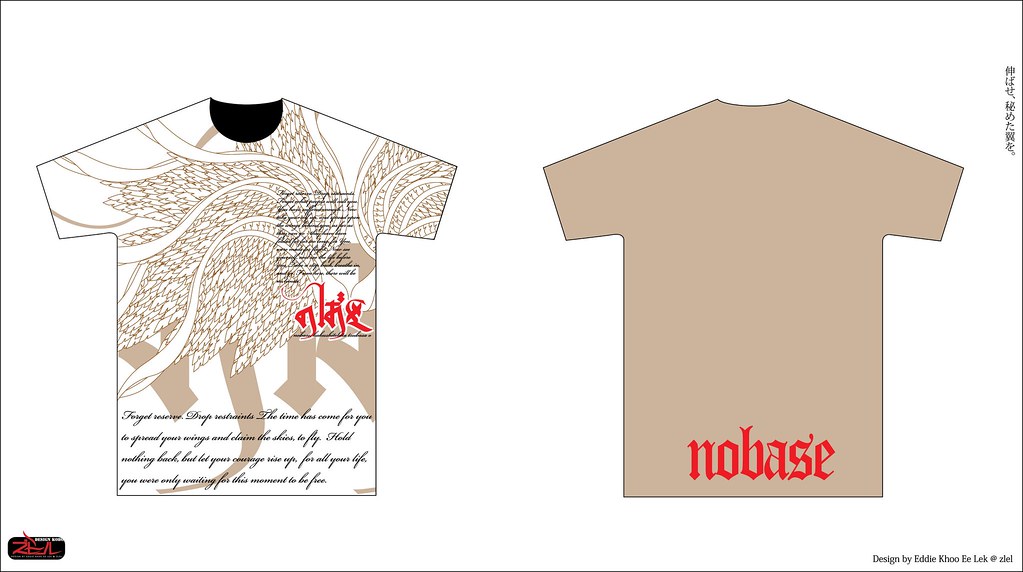
Monday, February 13, 2006
Saturday, February 11, 2006
Friday, February 10, 2006
Thursday, February 09, 2006
Wednesday, February 08, 2006
Tuesday, February 07, 2006
言葉は
感情的で、
残酷で、
時に無力だ。
それでも
私たちは信じている、
言葉のチカラを。
Words are so emotional, so cruel, and at times, so feeble.
Still, we choose to deliver that power of words in which we believe.
とは、電車でみた朝日新聞「ジャーナリスト宣言」キャンペーンのキャッチコピー。なんて力強いと思う。ジャーナリズムの原点に戻す言葉だ。そして人間の生きる勇気を呼び出す言葉。信じていることを言う。信じている生き方で生きる。僕は僕らしく生きていけばいい。すばらしい言葉だと思う。人生を改めて、信じましょう。
I love these words from Asahi Shinbun's "Journalists' Declaration" compaign. Full of power, even returning journalism to its roots and calling forth the courage to live. The strength to speak one's mind, and to live the life that one believes in. To live just as one is. Despite all that is happening around us, it calls us to believe afresh, in life itself. Do not go gently into that good night / Fight, fight against the dying of the light!
感情的で、
残酷で、
時に無力だ。
それでも
私たちは信じている、
言葉のチカラを。
Words are so emotional, so cruel, and at times, so feeble.
Still, we choose to deliver that power of words in which we believe.
とは、電車でみた朝日新聞「ジャーナリスト宣言」キャンペーンのキャッチコピー。なんて力強いと思う。ジャーナリズムの原点に戻す言葉だ。そして人間の生きる勇気を呼び出す言葉。信じていることを言う。信じている生き方で生きる。僕は僕らしく生きていけばいい。すばらしい言葉だと思う。人生を改めて、信じましょう。
I love these words from Asahi Shinbun's "Journalists' Declaration" compaign. Full of power, even returning journalism to its roots and calling forth the courage to live. The strength to speak one's mind, and to live the life that one believes in. To live just as one is. Despite all that is happening around us, it calls us to believe afresh, in life itself. Do not go gently into that good night / Fight, fight against the dying of the light!
Thursday, January 26, 2006
time freezes at airports. it's funny, because it is exactly because everying is timed to the minute that time is frozen there. flights come in and go out all the time. and the florescent lighting doesn't give you a clue whether the sun was up outside. people of all races walk around you, some sitting around, as if waiting for eternity to begin, sometimes rushing like fish shooting themsleves at a floating bait. it is like the gears in a clockwork, that, by precisely being the mechanism on which time is built, alienates itself from the substance of time. the gears rotate, and maybe some arms move, but inside the clock, twelve midnight is just as well as any second that gives way to the next eternity. Four flights in five days, and my time stil hasn't seem to have thawed.
Sunday, January 22, 2006
mascular memory
amazing. i'm at the airport and tried logging into the public teminals with my password... and suddenly i couldn't log in... panicked and wondered what happened overnight because i had just logged in the night before... sat down with my notebook plugged into the free ports and tried and tried... until i tried logging into an account i log in everyday and my fingers just did it...
passwords are mascular conditioning, i tell you... your fingers remember them better than you do... give them a chance!
amazing. i'm at the airport and tried logging into the public teminals with my password... and suddenly i couldn't log in... panicked and wondered what happened overnight because i had just logged in the night before... sat down with my notebook plugged into the free ports and tried and tried... until i tried logging into an account i log in everyday and my fingers just did it...
passwords are mascular conditioning, i tell you... your fingers remember them better than you do... give them a chance!
Saturday, January 14, 2006
Monday, January 09, 2006
it's been raining the whole day today, and it's still raining. love rains, and today it rained the kind of rain i love. i love rains because, unless we live underground, it is one thing that remains that still connects the city back to nature. i love rains, because when it rains, the whole land is at rest.
today's rain was particularly restful. big fat soft raindrops breaking on drooping leaves and the hungry earth. even the wind was still. and even my eyes wanted to close, calling me to lie down and slow myself down to the rhythm of the earth and join it in its rest.
maybe it's just the too many agendas and too many appointments that we have that we forget how we ought have lay down and let life take its pace. surely, a rain this pretty coudln't have been an inconvenience?
today's rain was particularly restful. big fat soft raindrops breaking on drooping leaves and the hungry earth. even the wind was still. and even my eyes wanted to close, calling me to lie down and slow myself down to the rhythm of the earth and join it in its rest.
maybe it's just the too many agendas and too many appointments that we have that we forget how we ought have lay down and let life take its pace. surely, a rain this pretty coudln't have been an inconvenience?
Friday, January 06, 2006
internationalisation vs evolution
i would suppose that the creation (c) of information has at least two factors: the way we think (f), and the information around us we are exposed to (i). That means something like this:
f:i -> c
this means that to maximise c, we will need to maixmise both the range of i and the size of the function class of f. this has two implications:
(1) information needs to be shared as widely as possible
(2) the way we think need to be as varied as possible
which IMHO are somewhat contrary to each other, in the sense that, to achieve (1), we need to branch out and internationalise our horizons; but globalisation inevitably brings in some degree of homogenisation, which does not agree with (2). It is then the challenge for every knowledge economy to absorb the world's wealth of information, and somehow, choose not to conform. Only then can it become and remain a creator of information instead of being a receipient.
some countries have done well in this, others haven't. Those that do well, do a lot for themselves - not just because information sells, but i think this has a lot more to do with identity. or at least attitude - because they have seen the great wealth of information out there, yet for some reason, chosen not to give up their own set of thinking frameworks. only then would their thinking be given a chance, to evolve.
i have come to believe quite a bit in human evolution. not the darwinian one, but rather evolution as opposed to revolution. i think people change in two ways - they either change so that they can make their surroundings suit them, or they change so that they will suit their surroundings. while changing one's surrounding sounds heroic and all, one must remain powerful enough to drive all this change, and to continue driving it; on the other hand, changing oneself to suit his surroundings requires that the practioner remain flexible enough to continue adapting. the advantage here, though, is that even when you're up against someone who is adapting in a direction different than you, you are still used to adapting to your surroundings - but one who must drive change, must drive others out of their change as well. if you're up against the world, that could be quite a big drive you will need.
the difficult thing about human evolution, though, is in adapting constructively. that means, every change should add to, and not remove, adaptability. and this, as you can imagine, can be quite a complex problem with no standard answer. but this is what makes it worth its while - when everyone evolves independantly, everyone would represent an isolated ecosystem of information. and this is what i mean by maixmising (f), the way we think.
we need to make our surroundings a self-sufficient ecosystem of information. if you americanise too much, you would lose some of your thought-identity. you would become american. but surely, there's always more than one way to do things. live, and let live.
i would suppose that the creation (c) of information has at least two factors: the way we think (f), and the information around us we are exposed to (i). That means something like this:
f:i -> c
this means that to maximise c, we will need to maixmise both the range of i and the size of the function class of f. this has two implications:
(1) information needs to be shared as widely as possible
(2) the way we think need to be as varied as possible
which IMHO are somewhat contrary to each other, in the sense that, to achieve (1), we need to branch out and internationalise our horizons; but globalisation inevitably brings in some degree of homogenisation, which does not agree with (2). It is then the challenge for every knowledge economy to absorb the world's wealth of information, and somehow, choose not to conform. Only then can it become and remain a creator of information instead of being a receipient.
some countries have done well in this, others haven't. Those that do well, do a lot for themselves - not just because information sells, but i think this has a lot more to do with identity. or at least attitude - because they have seen the great wealth of information out there, yet for some reason, chosen not to give up their own set of thinking frameworks. only then would their thinking be given a chance, to evolve.
i have come to believe quite a bit in human evolution. not the darwinian one, but rather evolution as opposed to revolution. i think people change in two ways - they either change so that they can make their surroundings suit them, or they change so that they will suit their surroundings. while changing one's surrounding sounds heroic and all, one must remain powerful enough to drive all this change, and to continue driving it; on the other hand, changing oneself to suit his surroundings requires that the practioner remain flexible enough to continue adapting. the advantage here, though, is that even when you're up against someone who is adapting in a direction different than you, you are still used to adapting to your surroundings - but one who must drive change, must drive others out of their change as well. if you're up against the world, that could be quite a big drive you will need.
the difficult thing about human evolution, though, is in adapting constructively. that means, every change should add to, and not remove, adaptability. and this, as you can imagine, can be quite a complex problem with no standard answer. but this is what makes it worth its while - when everyone evolves independantly, everyone would represent an isolated ecosystem of information. and this is what i mean by maixmising (f), the way we think.
we need to make our surroundings a self-sufficient ecosystem of information. if you americanise too much, you would lose some of your thought-identity. you would become american. but surely, there's always more than one way to do things. live, and let live.
Monday, January 02, 2006
Saturday, December 31, 2005
Tuesday, December 27, 2005

Not that I know the origin of this typeface, but IMHO, this is the worst accident in typography and a blatant display of an ignorance of asian culture.
To start with, what analogy is it using to make its reference to asian culture? Which asian culture uses a cuneiform writing instrument? I can only find two possible conclusions:
1. The motive is actually cut bamboo leaves
2. The motive represents the slitty eyes that are typical of asians
In the case of (2), I would find it an insult. In the case of (1), if bamboo leaves were an important motive, then why don't I see native asian fonts using much of it?
Someone must have gotten something wrong somewhere.
Sunday, December 25, 2005
the meaning of "publishing" or "publication" is lost on this generation, and it's all the Internet's fault. the Internet is like an abstraction layer between the "physical world" and the "logical world". not that the logical world is ideal or anything, but what it does do, is remove the physical (aka real-world) boundaries from eye. at this point, in 2005/6, when Internet is at most gigabit for the everyday user, experienced users can still notice the difference between a server in USA and a server in Japan, but let's just say this is a temporary technial problem that will be gone by 2010.
my point is this - that the difference between a blog and a diary, is summed up in the world "publish". where a diary is a personal record, for one to find one's own tracks, a blog is a published statement, one's offerring to the world. but nowadays, people write about their private thoughts online as if it made no difference. maybe it really makes no difference to them - but maybe too, that it's not that they want their private lives to be examined, but that, they want a space to shout. to shout back at the world that has pushed them into little cubicles and pigeon holes. it is the peasant living in us, trying to throw stones at the palace walls of a tyrannical king.
so much for civilisation and industrialisation. every year, i come back to the same conclusion - that the world hasn't changed much since prehistory.
anyway, this entry has been sponsored by my new dairy. Proceeds from clicking-through will go to NKF.
my point is this - that the difference between a blog and a diary, is summed up in the world "publish". where a diary is a personal record, for one to find one's own tracks, a blog is a published statement, one's offerring to the world. but nowadays, people write about their private thoughts online as if it made no difference. maybe it really makes no difference to them - but maybe too, that it's not that they want their private lives to be examined, but that, they want a space to shout. to shout back at the world that has pushed them into little cubicles and pigeon holes. it is the peasant living in us, trying to throw stones at the palace walls of a tyrannical king.
so much for civilisation and industrialisation. every year, i come back to the same conclusion - that the world hasn't changed much since prehistory.
anyway, this entry has been sponsored by my new dairy. Proceeds from clicking-through will go to NKF.
Saturday, December 17, 2005
現実から逃避しようとはしていない。でも本当に手にしたいものは、もう何かをしたらもらえるものではない。買えるものなら、買ったらいい。見えるものなら見たらいい。わかるものならわかったらいい。でも僕に欲しいものは、「なる」ものだ。顔だけじゃなく、人間そのものを変えたい。前も言ったが、「無駄のない人間」になりたい。いろんな人のいろんな性格の一部を自分の中に取り込みたい。「似ているもの」ではなく、本物になりたいんだ。そんな術、そんな技、どこから習えるのかな。そ、そう。人間ステムセルになりたいです。無限なポテンシャルを秘める存在。それが、僕の生きる駆動力となっている。
だから、僕の道は違うんだ。その道を先に歩んだ先輩、僕にもその道を教えてください・・・
だから、僕の道は違うんだ。その道を先に歩んだ先輩、僕にもその道を教えてください・・・
Friday, December 16, 2005
Saturday, December 10, 2005
Wednesday, December 07, 2005
This got me stumped - should I be excited about the possibilties of neural computation, or angry about animal testing?
Full story here
It sounds like science fiction: a brain nurtured in a Petri dish learns to pilot a fighter plane as scientists develop a new breed of "living" computer. But in groundbreaking experiments in a Florida laboratory that is exactly what is happening.
The "brain", grown from 25,000 neural cells extracted from a single rat embryo, has been taught to fly an F-22 jet simulator by scientists at the University of Florida.
Full story here
Tuesday, December 06, 2005

Asu no Shinwa (Tomorrow's Legend)
Okamoto Taro's highest art.
This wall painting, measuring 5.5 by 30 metres, depicts the moment just after the nuclear bombing. Despite the dark and painful topic, the first response to the painting is probably "what is this?" - what draws you on the frist look is the powerful colour contrast, the lines that give it a certain beauty - the centrepiece of the work is a dancing skeleton - what is the message of this great piece? It being so dark, yet so beautiful makes the heart skip and the mind inquire.
Currently under restoration since its recovery from mexico after being lost for 30 years. Target completion 2007 July.
http://www.ntv.co.jp/dai2-junbi/photo.swf
http://www.1101.com/asunoshinwa/
http://www.ntv.co.jp/dai2-junbi/shinwa.html
Live coverage here.
This is zlel reporting from Singapore.
Monday, December 05, 2005
Harnessing artificial tornadoes as an energy source
(names may have been altered to protect the innocent)
eimajination: imagine weather war...
Edmund: more power in the wrong hands... scary thought
Edmund: since hurricanes and tornados generate their own self sustaining weather systems
eimajination: actually wat i think is third world countries should someday stop selling oil
eimajination: but sell power
Edmund: hmmm you have a point there
eimajination: then they will get out of poverty.
Edmund: the infrastructure's not gonna be easy though
eimajination: ya
eimajination: but now the develped countries are bullying the oil producing countries loh
Edmund: hmmm well since the 3rd world countries are already in that kinda debt
Edmund: heh
Edmund: might as well right
eimajination: it's just not right loh
eimajination: developed countries pretending to be civilised and all
Edmund: hey... economics make the world go round
eimajination: but it also makes the rich richer and the poor poorer
eimajination: it enforces a country-scaled global class system
Edmund: hmmm wonder how we can break that
eimajination: oil loh
eimajination: free market on oil
eimajination: let oil prices go according to demand
Edmund: hmmm energy costs are gonna sky rocket
Edmund: probably gonna force us to use alternative fuel as well
Edmund: hmm maybe not a bad idea
eimajination: yes
eimajination: IMHO it's the most concrete solution to 3rd world poverty loh
eimajination: but nobody wants to pay for their freedom
Edmund: well personally it might be a situation that the 3rd wold is too addicted to foreign aid
Edmund: it allows for a lot of things to remain in status quo
Edmund: no impetus to learn how to fish
Edmund: when the fish is given to you all the time
eimajination: ya but at the same time
eimajination: the so-called foreign aid is not real loh
eimajination: basically they WANT 3rd world countries to remain 3rd world countries
eimajination: instead of pouring in aid, i think they might be able to achieve more if they schooled a select group of kids all the way into university...
Edmund: hmmm how do you define the group?
Edmund: how can you confirm that one of them won't turn into some megalomaniacal maniac?
eimajination: u need to school them in their national values also loh
Edmund: schooling on national values is one thing
Edmund: accepting it is another
eimajination: ya but if u want them to be able to fish...
Edmund: and come on, how much does it cost to get a kid from infancy through uni?
Edmund: in the grand scheme of national budget
eimajination: not that much
Edmund: negligible
eimajination: therefore you can school quite a lot of kids
eimajination: mebbe a few thousand kids?
(names may have been altered to protect the innocent)
eimajination: imagine weather war...
Edmund: more power in the wrong hands... scary thought
Edmund: since hurricanes and tornados generate their own self sustaining weather systems
eimajination: actually wat i think is third world countries should someday stop selling oil
eimajination: but sell power
Edmund: hmmm you have a point there
eimajination: then they will get out of poverty.
Edmund: the infrastructure's not gonna be easy though
eimajination: ya
eimajination: but now the develped countries are bullying the oil producing countries loh
Edmund: hmmm well since the 3rd world countries are already in that kinda debt
Edmund: heh
Edmund: might as well right
eimajination: it's just not right loh
eimajination: developed countries pretending to be civilised and all
Edmund: hey... economics make the world go round
eimajination: but it also makes the rich richer and the poor poorer
eimajination: it enforces a country-scaled global class system
Edmund: hmmm wonder how we can break that
eimajination: oil loh
eimajination: free market on oil
eimajination: let oil prices go according to demand
Edmund: hmmm energy costs are gonna sky rocket
Edmund: probably gonna force us to use alternative fuel as well
Edmund: hmm maybe not a bad idea
eimajination: yes
eimajination: IMHO it's the most concrete solution to 3rd world poverty loh
eimajination: but nobody wants to pay for their freedom
Edmund: well personally it might be a situation that the 3rd wold is too addicted to foreign aid
Edmund: it allows for a lot of things to remain in status quo
Edmund: no impetus to learn how to fish
Edmund: when the fish is given to you all the time
eimajination: ya but at the same time
eimajination: the so-called foreign aid is not real loh
eimajination: basically they WANT 3rd world countries to remain 3rd world countries
eimajination: instead of pouring in aid, i think they might be able to achieve more if they schooled a select group of kids all the way into university...
Edmund: hmmm how do you define the group?
Edmund: how can you confirm that one of them won't turn into some megalomaniacal maniac?
eimajination: u need to school them in their national values also loh
Edmund: schooling on national values is one thing
Edmund: accepting it is another
eimajination: ya but if u want them to be able to fish...
Edmund: and come on, how much does it cost to get a kid from infancy through uni?
Edmund: in the grand scheme of national budget
eimajination: not that much
Edmund: negligible
eimajination: therefore you can school quite a lot of kids
eimajination: mebbe a few thousand kids?
Sunday, December 04, 2005
Saturday, December 03, 2005
Thursday, December 01, 2005
Say No to Handbills
The problem with doing a compaign to advocate saying no to handbills, is that you can't do handbills. You'd probably have to wear boards hung over your shoulders or hold up banners while the crowds go by. But still, I hate handbills.
Because handbills are expensive. To the marketing team, they may be one of the cheapest ways of advertising, but it's putting all the resources into the wrong places. Each sheet of handbill may only cost that much money, but they also warrant only that much attention. A victim walks by, collects a handbill, glances at it, walks to the corner, and tosses it - perhaps onto the floor. Worse still, passers-by taking pity on those whose work is the distribution of handbills, take a copy of the handbill only so that they can toss it off into a dustbin two metres away. All this when the industry does not assure us where all this paper is coming from. Are trees replanted for every tree fell for this? Business is disgusting.
Why not give out packets of tissue paper, or postit-pads or something that is of more use to the potential consumer? If you just want to get seen, why not get someone to hold up signboards or dress up so that you get the attention? Please please don't do anymore killer marketing campaigns...
Advertising agencies, please!
The problem with doing a compaign to advocate saying no to handbills, is that you can't do handbills. You'd probably have to wear boards hung over your shoulders or hold up banners while the crowds go by. But still, I hate handbills.
Because handbills are expensive. To the marketing team, they may be one of the cheapest ways of advertising, but it's putting all the resources into the wrong places. Each sheet of handbill may only cost that much money, but they also warrant only that much attention. A victim walks by, collects a handbill, glances at it, walks to the corner, and tosses it - perhaps onto the floor. Worse still, passers-by taking pity on those whose work is the distribution of handbills, take a copy of the handbill only so that they can toss it off into a dustbin two metres away. All this when the industry does not assure us where all this paper is coming from. Are trees replanted for every tree fell for this? Business is disgusting.
Why not give out packets of tissue paper, or postit-pads or something that is of more use to the potential consumer? If you just want to get seen, why not get someone to hold up signboards or dress up so that you get the attention? Please please don't do anymore killer marketing campaigns...
Advertising agencies, please!
Living Out of a Suitcase
Machine's been down and all this week I've been living on Knoppix. Just got the latest version on CD today, and finally got it figured out... had terrible problems with performance and couldn't maintain a decent presence on msn cos I didn't have enough memory to make context switches bearable. But finally I'm getting the hang of it. Here's my secret....
knoppix desktop=twm screen=800x600
Yeah, that's it. The 800x600 really makes a difference... guess video is expensive. But the most amazing thing has been this... Knoppix has felt as much home as Windows did. But then again, my top-listed apps in windows was firefox, gaim, vim and bash.... haha.
Machine's been down and all this week I've been living on Knoppix. Just got the latest version on CD today, and finally got it figured out... had terrible problems with performance and couldn't maintain a decent presence on msn cos I didn't have enough memory to make context switches bearable. But finally I'm getting the hang of it. Here's my secret....
knoppix desktop=twm screen=800x600
Yeah, that's it. The 800x600 really makes a difference... guess video is expensive. But the most amazing thing has been this... Knoppix has felt as much home as Windows did. But then again, my top-listed apps in windows was firefox, gaim, vim and bash.... haha.
Sunday, November 27, 2005
Saturday, November 26, 2005
The Reincarnation of Sexism
It just occurred to me that this is so strange. If it is a Chinese perspective that the dead get reincarnated, and males can get reincarnated into females and vice versa, why then is there such undeniable sexist undercurrents in the traditional Chinese thinking? Are they too existentialist or they just can't get it sorted out? If couples will say "I still want to be your wife next life", why don't they also remember that thy could end up brothers, or brothers could end up couples?
Gaps in logic, holes in the brain.
It just occurred to me that this is so strange. If it is a Chinese perspective that the dead get reincarnated, and males can get reincarnated into females and vice versa, why then is there such undeniable sexist undercurrents in the traditional Chinese thinking? Are they too existentialist or they just can't get it sorted out? If couples will say "I still want to be your wife next life", why don't they also remember that thy could end up brothers, or brothers could end up couples?
Gaps in logic, holes in the brain.
Friday, November 25, 2005
Confessionary Confectionery
Remember Kogepan? The reason we loved it that much must have been because it so simply voiced what we refused to say, but are dying to admit. That's why we also have chain mails that go along the lines of "answer the following questions truthfully and send it to another 5 people..." We're dying to let everyone know what we secretly want so much of, but yet so afraid that they find out that we want this badly to tell it all.
Ok so here shall hardly be my list of my 5 top most secret desires:
1.
2.
3.
4.
5.
Bleah.
Remember Kogepan? The reason we loved it that much must have been because it so simply voiced what we refused to say, but are dying to admit. That's why we also have chain mails that go along the lines of "answer the following questions truthfully and send it to another 5 people..." We're dying to let everyone know what we secretly want so much of, but yet so afraid that they find out that we want this badly to tell it all.
Ok so here shall hardly be my list of my 5 top most secret desires:
1.
2.
3.
4.
5.
Bleah.
Tuesday, November 22, 2005


Tuesday, November 15, 2005
Tuesday, November 08, 2005
Rush Hour Etiquette
01. Stand left, walk right. Even if you're reaching the top/bottom of the escalator, continue walking. If you have to stop because you're reaching the end, keep left. Common sense - if you stop walking, how on earth is the guy behind you, and the guy behind the guy behind you, and the guy behind the guy who just stepped onto the escalator, going to walk right?
02. The reason the queue at the escalator is so long is because everyone's refusing to stand on the step directly behind the guy in front. Don't waste space. If you take three steps to get onto an escalator, use the stairs during rush hour.
03. Don't swing your hands when you walk. You're claiming too much personal space.
04. If you have to read the news, fold it and read it. Don't force the guy standing in front of your read the cover of your papers for the whole half hour on the train.
05. You don't have broadcast rights to the music you bought. Use earphones in the train. Someone might be trying to catch a nap cos he got home at 3am the night before.
06. Leave space for weavers. If you're walking in a group, make sure people who are trying to beat the bell can run through.
07. Move into the centre of the train. Between the rows of seats along the walls of the carriage, you should be able to fit three rows.
08. Don't wait until the door opens and then say "excuse me" in a lift. Make your way to the door before the door opens so that the whole lift doesn't have to wait for you to get off. Waiting 10 seconds for each person to get off means that it takes forever for the guy on the 30th storey to get to his office. No, the math should be 30x(10+f+2d) where f is the time it takes for the lift to get from one storey to the next and d is the time it takes for the door to open or close. And you will need to multiply that number by the number of people in the lift.
09. Kid's don't qualify as "those who need the seat more than others". If you have kids who don't want to sit, make them stand. They've got more energy than anyone else.
0A. The reason train companies put money into contactless cards, small magnetic tickets and so on is so that commutors can clear the gates more efficiently. Don't take your time to take out your ticket and read the LCD to see how much money you have left on your card. You can do that during off-peak.
01. Stand left, walk right. Even if you're reaching the top/bottom of the escalator, continue walking. If you have to stop because you're reaching the end, keep left. Common sense - if you stop walking, how on earth is the guy behind you, and the guy behind the guy behind you, and the guy behind the guy who just stepped onto the escalator, going to walk right?
02. The reason the queue at the escalator is so long is because everyone's refusing to stand on the step directly behind the guy in front. Don't waste space. If you take three steps to get onto an escalator, use the stairs during rush hour.
03. Don't swing your hands when you walk. You're claiming too much personal space.
04. If you have to read the news, fold it and read it. Don't force the guy standing in front of your read the cover of your papers for the whole half hour on the train.
05. You don't have broadcast rights to the music you bought. Use earphones in the train. Someone might be trying to catch a nap cos he got home at 3am the night before.
06. Leave space for weavers. If you're walking in a group, make sure people who are trying to beat the bell can run through.
07. Move into the centre of the train. Between the rows of seats along the walls of the carriage, you should be able to fit three rows.
08. Don't wait until the door opens and then say "excuse me" in a lift. Make your way to the door before the door opens so that the whole lift doesn't have to wait for you to get off. Waiting 10 seconds for each person to get off means that it takes forever for the guy on the 30th storey to get to his office. No, the math should be 30x(10+f+2d) where f is the time it takes for the lift to get from one storey to the next and d is the time it takes for the door to open or close. And you will need to multiply that number by the number of people in the lift.
09. Kid's don't qualify as "those who need the seat more than others". If you have kids who don't want to sit, make them stand. They've got more energy than anyone else.
0A. The reason train companies put money into contactless cards, small magnetic tickets and so on is so that commutors can clear the gates more efficiently. Don't take your time to take out your ticket and read the LCD to see how much money you have left on your card. You can do that during off-peak.
Monday, November 07, 2005
Thursday, November 03, 2005
Monday, October 31, 2005
Today ought be a special day. For, for the first time in my life, I heard not a handicapped street begger, but a real handicapped street performer near my workplace today.
She was very obviously blind and her face looked weired, imaginably having lost one eye socket - but she was singing. Not singing slow Christian music to beg the guilt of passing Christians, nor was there in her voice the desperate self-pity that, hiding behind the latest popular hits, cried out, "I'm useless, please be the kind person you think you are and give me some money." Instead, her voice was delightfully bright. And so were her songs. The last number I heard her sing was Dancing Queen. Not the most effective kind of material one would use had her best asset been her handicap. And I'm not saying her singing was "uhm okay" - she was good. Someone-should-have-turned-the-disco-lights-on kind of good.
Yes, I was impressed. I loved her dignity. I loved her not trying to sell her handicap, but rather, to have overcome it, and to have found within herself something that was bright enough a gem to offer the world.
Put bluntly, the rest of the lot should be taken off the streets. Selling their self-pity, hoping to elicit the sympathy of some unsuspecting passer by. If their handicap were their greatest marketing asset, then how incomparable the darkness of their hearts must be beside their blindness, how crippled their spirits must be beside their lameness! All the more, it would be a sin to give to them. Cheap charity is but the giver masturbating his own selfish consience, unwilling to pay the full price to set the needy free.
I know, America is doing it. The rich are doing it. But still, the next time someone on the street tries to sell you tissue paper and yet says "please help me out", do them a favour - don't buy it. Buying a packet of tissue paper is never all that you can do for anybody.
She was very obviously blind and her face looked weired, imaginably having lost one eye socket - but she was singing. Not singing slow Christian music to beg the guilt of passing Christians, nor was there in her voice the desperate self-pity that, hiding behind the latest popular hits, cried out, "I'm useless, please be the kind person you think you are and give me some money." Instead, her voice was delightfully bright. And so were her songs. The last number I heard her sing was Dancing Queen. Not the most effective kind of material one would use had her best asset been her handicap. And I'm not saying her singing was "uhm okay" - she was good. Someone-should-have-turned-the-disco-lights-on kind of good.
Yes, I was impressed. I loved her dignity. I loved her not trying to sell her handicap, but rather, to have overcome it, and to have found within herself something that was bright enough a gem to offer the world.
Put bluntly, the rest of the lot should be taken off the streets. Selling their self-pity, hoping to elicit the sympathy of some unsuspecting passer by. If their handicap were their greatest marketing asset, then how incomparable the darkness of their hearts must be beside their blindness, how crippled their spirits must be beside their lameness! All the more, it would be a sin to give to them. Cheap charity is but the giver masturbating his own selfish consience, unwilling to pay the full price to set the needy free.
I know, America is doing it. The rich are doing it. But still, the next time someone on the street tries to sell you tissue paper and yet says "please help me out", do them a favour - don't buy it. Buying a packet of tissue paper is never all that you can do for anybody.
Sunday, October 23, 2005
As if micro weren't enough - without even realising, were're stepping into the age of the nano. Microcomputers are so last centuary. If you're reading this 20 years from the date of writing, really sorry that I'm using pretty last-decade words here, but today, at the horizon, we're talking about the dawn of quantum-channel-based communications, DNA computing, nanorobotics and genetic therapy.
Yes, so much so that we keep on losing the big picture, the long-term view. Remember, at the dawn of navigation, we used to use stars as our guiding lights. And before we the industrialisation, we used to build everything to last forever. Now, everything has an expiry date. A namespace. A domain. A locale. We forget how the whole system is held together, how one nanosecond flows into the next and how the next flows into eternity. How boats on a stream that lightly knock against each other actually take on individual lives and lifestories after that brief and anonymous encounter on the floating market. Put it bluntly, we seem to have stepped into the age of one-night-stands. Transient, isolated and intense.
My maid (aka domestic helper; just in case "maid" still means unmarried woman where you're coming from) just went off to the airport. It's been a good one year. She came not knowing anything, even innocently tossing some of our plastic covers into the bin, not knowing the difference between plastic covers that keep lenses safe and disposible plastic packaging that come with the food we buy at convenient stores.
It is hard to imagine the depth of the journey that she's gone through in her stay here. So many things we take for granted must have been pretty challenging for her, as much as it is to us if we had to live in a distant and strange land. And even harder to grasp is how her life, after she's gone back, will continue in parallel to ours, even though we may not make contact ever again. How (if I may borrow a term from computing - not that I haven't been doing so :P) massively multi-threaded the real-world is! (Oh yes, and how real-time it is also...)
Ya, it is an exciting world. But how very helpless it also makes me feel everytime I attempt to grasp how the whole tapestry is held together.
Yes, so much so that we keep on losing the big picture, the long-term view. Remember, at the dawn of navigation, we used to use stars as our guiding lights. And before we the industrialisation, we used to build everything to last forever. Now, everything has an expiry date. A namespace. A domain. A locale. We forget how the whole system is held together, how one nanosecond flows into the next and how the next flows into eternity. How boats on a stream that lightly knock against each other actually take on individual lives and lifestories after that brief and anonymous encounter on the floating market. Put it bluntly, we seem to have stepped into the age of one-night-stands. Transient, isolated and intense.
My maid (aka domestic helper; just in case "maid" still means unmarried woman where you're coming from) just went off to the airport. It's been a good one year. She came not knowing anything, even innocently tossing some of our plastic covers into the bin, not knowing the difference between plastic covers that keep lenses safe and disposible plastic packaging that come with the food we buy at convenient stores.
It is hard to imagine the depth of the journey that she's gone through in her stay here. So many things we take for granted must have been pretty challenging for her, as much as it is to us if we had to live in a distant and strange land. And even harder to grasp is how her life, after she's gone back, will continue in parallel to ours, even though we may not make contact ever again. How (if I may borrow a term from computing - not that I haven't been doing so :P) massively multi-threaded the real-world is! (Oh yes, and how real-time it is also...)
Ya, it is an exciting world. But how very helpless it also makes me feel everytime I attempt to grasp how the whole tapestry is held together.
Saturday, October 22, 2005
古いCDを聞いて、また人生のはかなさを感じた。
「部屋とYシャツと私」という曲だ。「もし私が先立てば オレも死ぬと云ってね」のところにきたら、また生と死の間に辿り着いた。歩いてきたのが「過去」。足元にあるのが「未来」。そして今はその過去とその未来の間にいる。そういう感じだ。そう感じると、すこし伸ばしたら、過去の景色が見える、僕の中で。昔のまんまのように。その同時、今現実に感じている周りのものは、思い出のように感じてくる。未来から見る思い出のようだ。その一瞬、僕は過去にいるのか、現在にいるのか、それとも、未来にいるのか、わからなくなる。
すごい感じですが、怖い。一瞬の「現在」に、一生が感じられそうな感覚は、とても人間的に限界かな。一人で感じてしまうのは、重荷だ。ここにきたら、誰かに助けられたい。一緒にこの生きるつらさを負って生きたい・・・
「部屋とYシャツと私」という曲だ。「もし私が先立てば オレも死ぬと云ってね」のところにきたら、また生と死の間に辿り着いた。歩いてきたのが「過去」。足元にあるのが「未来」。そして今はその過去とその未来の間にいる。そういう感じだ。そう感じると、すこし伸ばしたら、過去の景色が見える、僕の中で。昔のまんまのように。その同時、今現実に感じている周りのものは、思い出のように感じてくる。未来から見る思い出のようだ。その一瞬、僕は過去にいるのか、現在にいるのか、それとも、未来にいるのか、わからなくなる。
すごい感じですが、怖い。一瞬の「現在」に、一生が感じられそうな感覚は、とても人間的に限界かな。一人で感じてしまうのは、重荷だ。ここにきたら、誰かに助けられたい。一緒にこの生きるつらさを負って生きたい・・・
Tuesday, October 18, 2005
If you took an operating system and did a hardware implementation of it, would it mean that the machine runs without an operating system?
Now it is becoming clear. There is no such thing as a software product. Software belongs in the quaternary industry, and you don't talk about produce in this sector. The primary industray talks about primary products, the secondary talks about consumer products. And from the tertiary industry on, we start talking about services - so why are we going back to products?
According to Wikipedia, if that is a source of any authoritativity, the quartanery industry is one that involves intellectual services. Put it in another way - in the secondary industry, you sell people the hammer to hit the nails in. In the tertiary, you charge them money for hitting the nail in. Now in the quartenary industry, you charge them money for telling them, in what manner they ought be hitting the nail in.
That is what it is. Let me now attempt to give a description of what I think software thus is - for the lack of a better word than "software", that is. Given that a user is a person or group of persons that interacts directly with the "software", then, software, perhaps, is a collection of logical steps of basic operations and the configuration that govern how and when these steps are to be invoked, essentially abstracting the know-how that experienced practioners employ while addressing issues, especially in, but not limited to, the problem domain of the user, expressed in a notation that can, directly or otherwise, be intimately employed in conjunction with a hardware device in order to derive a result which may be construed as an expert advice in the user's problem domain, a professional service that in part or in full solves the user's problem, or, a product which production is the user's problem domain.
For those who have problems with long sentences:
This leads to two differentiating factors between software, and other services in the quartenary industry: firstly, that software needs to be executed on a tangible device, as opposed to programs implemented in organisations that involves strictly the retraining of staff to optimise processes, and secondly, that software may command a depth that can give tangible solutions to problems, even if the problem domain exists in the secondary or primary industry. It also follows that software makes it possible to offer intellectual services in a frame that may be separated from the source of that intelligence by space and time.
Coming back to our opening question. When does software cross the line? I believe that the crux of the matter is in the word "notation". So long as a solution may be expressed in some form of notation that may be used to make hardware derive some kind of useful result, the solution, expressed in the form of a notatian, is software. Which is to say, that digital circuit diagrams are software, but PCB derived from these diagrams, are not. In some sense, I am suggesting that in such cases, we are compiling our software into hardware, not binaries.
Which leads us to conclude that, yes, it runs without an operating system, only because we do not yet have a name for something that behaves like software but is not expressed in some form of notation. I would like very much though, to have a term that can take the clause "expressed in a notation" out of what I think what we currently think software to be. Afterall, in essence, software, really should be the intelligence that can help people solve problems in the absence of an expert. Why should it matter what form it takes?
No, there's no such thing as intelligent hardware, either. Not at least, for me.
Now it is becoming clear. There is no such thing as a software product. Software belongs in the quaternary industry, and you don't talk about produce in this sector. The primary industray talks about primary products, the secondary talks about consumer products. And from the tertiary industry on, we start talking about services - so why are we going back to products?
According to Wikipedia, if that is a source of any authoritativity, the quartanery industry is one that involves intellectual services. Put it in another way - in the secondary industry, you sell people the hammer to hit the nails in. In the tertiary, you charge them money for hitting the nail in. Now in the quartenary industry, you charge them money for telling them, in what manner they ought be hitting the nail in.
That is what it is. Let me now attempt to give a description of what I think software thus is - for the lack of a better word than "software", that is. Given that a user is a person or group of persons that interacts directly with the "software", then, software, perhaps, is a collection of logical steps of basic operations and the configuration that govern how and when these steps are to be invoked, essentially abstracting the know-how that experienced practioners employ while addressing issues, especially in, but not limited to, the problem domain of the user, expressed in a notation that can, directly or otherwise, be intimately employed in conjunction with a hardware device in order to derive a result which may be construed as an expert advice in the user's problem domain, a professional service that in part or in full solves the user's problem, or, a product which production is the user's problem domain.
For those who have problems with long sentences:
software, perhaps, is
  (a COLLECTION of
    (logical steps of basic OPERATIONS)
    [and]
    (the CONFIGURATION that govern how and when
     these steps are to be invoked,)
    [essentially abstracting]
    (the KNOW-HOW
        (that EXPERIENCED practioners employ
         while addressing issues,
            (especially in, but not limited to,
             the PROBLEM DOMAIN of the user,)
        )
    )
  )
  [expressed in]
  (a NOTATION that can, directly or otherwise, )
  [be intimately employed in conjunction with a]
  (hardware DEVICE in order to
    (DERIVE a result which may be construed as
      (an EXPERT ADVICE in the user's problem domain,)
      [or]
      (a PROFESSIONAL SERVICE that in part or in full
       solves the user's problem,)
      [or]
      (a PRODUCT which production is the
       user's problem domain.)
    )
  )
This leads to two differentiating factors between software, and other services in the quartenary industry: firstly, that software needs to be executed on a tangible device, as opposed to programs implemented in organisations that involves strictly the retraining of staff to optimise processes, and secondly, that software may command a depth that can give tangible solutions to problems, even if the problem domain exists in the secondary or primary industry. It also follows that software makes it possible to offer intellectual services in a frame that may be separated from the source of that intelligence by space and time.
Coming back to our opening question. When does software cross the line? I believe that the crux of the matter is in the word "notation". So long as a solution may be expressed in some form of notation that may be used to make hardware derive some kind of useful result, the solution, expressed in the form of a notatian, is software. Which is to say, that digital circuit diagrams are software, but PCB derived from these diagrams, are not. In some sense, I am suggesting that in such cases, we are compiling our software into hardware, not binaries.
Which leads us to conclude that, yes, it runs without an operating system, only because we do not yet have a name for something that behaves like software but is not expressed in some form of notation. I would like very much though, to have a term that can take the clause "expressed in a notation" out of what I think what we currently think software to be. Afterall, in essence, software, really should be the intelligence that can help people solve problems in the absence of an expert. Why should it matter what form it takes?
No, there's no such thing as intelligent hardware, either. Not at least, for me.
Saturday, October 15, 2005
Sunday, October 09, 2005
Sunday, October 02, 2005
雑談二章
「1」
人生は舞台ならば、その真ん中にたって、もういいんだよ!と叫んで、みんなに言いたい。でもそんなところがないね。聞いてくれるひともいない。疲れたんだ。みんなそうだろう。しかし前へと進まなきゃいけない。もういやでも。こんな人生はいったいなんなんだろうか。
「2」
Strange how thinking habits evolve. Of late, I find myself not thinking of portable code, but moer of protable algorithms. As in, even though it's ANSI C, I still want to make the algorithm implementable in other languages which are not as strong in their language construct. Not that I will actually get to doing that, but it's just the thinking that goes into things. I just want to think, I think.
「1」
人生は舞台ならば、その真ん中にたって、もういいんだよ!と叫んで、みんなに言いたい。でもそんなところがないね。聞いてくれるひともいない。疲れたんだ。みんなそうだろう。しかし前へと進まなきゃいけない。もういやでも。こんな人生はいったいなんなんだろうか。
「2」
Strange how thinking habits evolve. Of late, I find myself not thinking of portable code, but moer of protable algorithms. As in, even though it's ANSI C, I still want to make the algorithm implementable in other languages which are not as strong in their language construct. Not that I will actually get to doing that, but it's just the thinking that goes into things. I just want to think, I think.
Subscribe to:
Posts (Atom)